 LOGIN
LOGIN 

 Sea Freight
  Air Freight
  Intermodal
  Customs Brokerage
  Project Logistics
  Warehouse Services
  Trucking
  Insurance
  Logistics Infrastructures
  Consulting & Assistance
  NVOCC
NVOCC  Barge & Coastal Feeder
  GSA / PCSA Airlines
  Perishable / Refrigerated Logistics
  Dangerous Good Logistics
  Oil & Gas Logistics
  Offshore Services
  Rice Logistics
  Global Sales Logistics
  Parcel / Courier Logistics
  Cross-Docking & End-To-End Warehousing
  On Board Courier
  Buying Agent
Train tracks stretch along Viet Nam’s coastline as the railway moves between mountains, rice fields, fishing towns, industrial zones, and major cities across the country. From Hanoi to Ho Chi Minh City, the North-South Railway remains one of Viet Nam’s longest transportation corridors and one of Southeast Asia’s most recognizable long-distance train journeys.
For many travelers, the railway offers more than transportation. It provides a slower view of Viet Nam itself – connecting regional landscapes, urban centers, coastal communities, and local movement through a journey shaped by geography and infrastructure.
The Railway Connecting Viet Nam from North to South
Often referred to internationally as the Reunification Express, Viet Nam’s North–South Railway extends for more than 1,700 kilometers between Hanoi and Ho Chi Minh City. The route passes through multiple provinces and major destinations including Da Nang, Hue, Nha Trang, and coastal regions along the South China Sea.
Unlike domestic flights connecting isolated points directly, railway travel reveals the transition between regions. Travelers move gradually through changing landscapes – from Northern Viet Nam’s river plains and mountain edges to Central Viet Nam’s coastal passes and the urban expansion of the south.
This continuous movement gives the railway a distinct identity compared with faster forms of transportation.
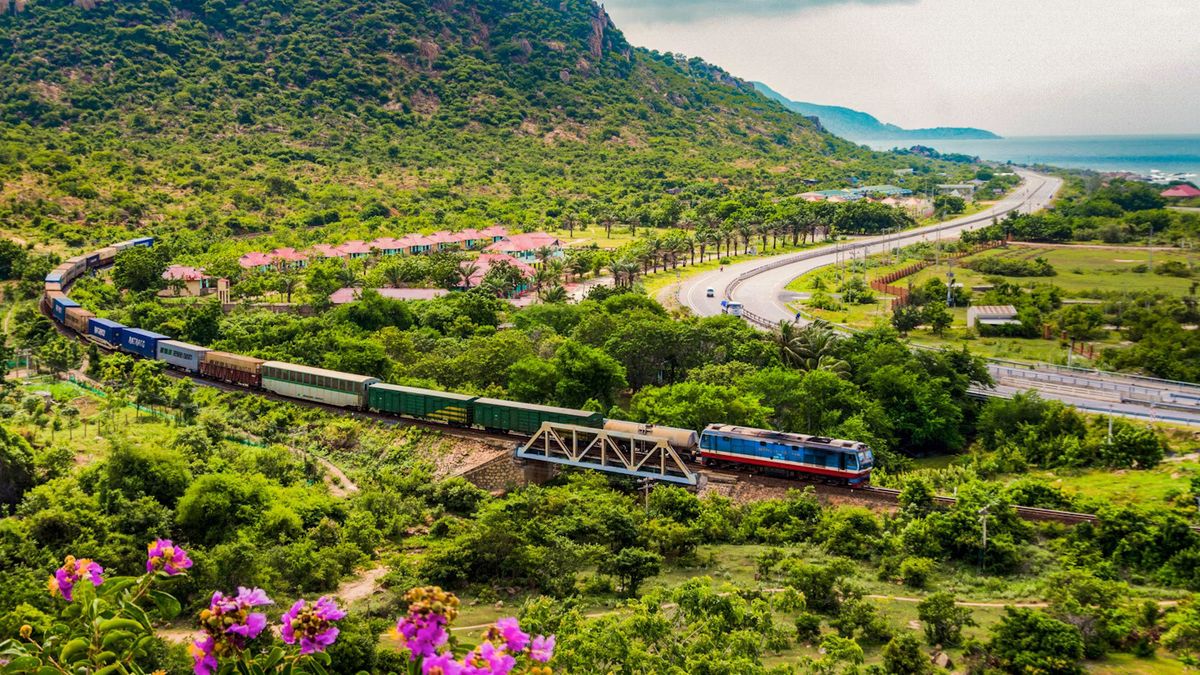
Coastal Routes, Mountain Passes, and Regional Landscapes
One of the most recognized sections of the railway passes through the Hai Van Pass region between Hue and Da Nang. Here, tracks follow steep coastal mountains overlooking the sea, creating some of the most visually recognizable railway scenery in Viet Nam.
Throughout the journey, passengers experience multiple regional environments including:
- Northern agricultural plains
- Central coastal fishing communities
- Mountain foothill regions
- Expanding industrial corridors
- Southern urban zones
The railway also passes through smaller stations and local towns that are often overlooked in faster travel itineraries. This slower pace allows travelers to observe how transportation routes continue to shape everyday life across Viet Nam.
Seasonal weather changes further alter the atmosphere of the journey, especially during rainy seasons and coastal fog conditions in Central Viet Nam.

Railway Stations and the Movement of Daily Life
Viet Nam’s railway stations remain active transportation hubs connecting local passengers, regional trade activity, tourism movement, and long-distance travel.
In major cities such as Ha Noi and Ho Chi Minh City, stations operate within dense urban environments shaped by road traffic, logistics systems, and commercial activity. In smaller provinces, railway stations often function as central access points linking rural areas with larger economic centers.
The rhythm of train arrivals, food vendors, cargo movement, and passenger transfers creates a different travel atmosphere compared with airports or express highways.
For many travelers, the railway experience is shaped as much by station culture and onboard movement as by the destinations themselves.
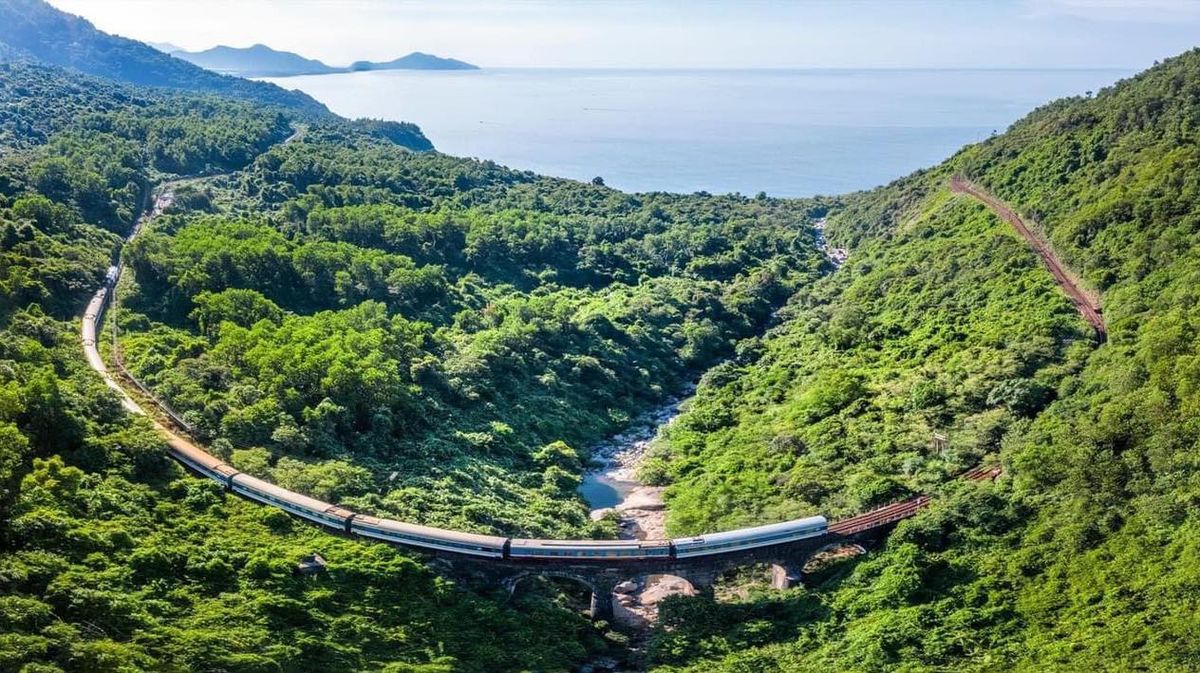
Historical Importance of Viet Nam’s Railway Network
Viet Nam’s railway system has historically played an important role in transportation, commerce, and national connectivity. Early railway development connected ports, administrative centers, agricultural regions, and industrial areas across different parts of the country.
Over time, the North-South Railway became one of Viet Nam’s most important infrastructure corridors, supporting passenger movement, cargo transportation, and economic integration between regions.
Even as highways and air travel expanded, the railway continues to serve as a critical transportation route connecting cities, provinces, and regional economies throughout Viet Nam.
The system also reflects how geography influences transportation planning across a country defined by long coastlines, mountain ranges, river systems, and densely populated urban corridors.
Slow Travel and the Return of Railway Journeys
International travel trends increasingly favor slower forms of transportation that allow deeper interaction with landscapes and regional culture. Railway travel aligns closely with this shift by emphasizing movement, observation, and transition rather than rapid arrival.
Many travelers now choose train journeys through Viet Nam specifically to experience the changing scenery, local interactions, and regional contrasts visible along the route.
Sleeping cabins, dining cars, station stops, and extended travel times create a journey-oriented experience different from short-haul tourism itineraries.
This growing interest in railway travel also reflects broader global trends where scenic rail routes are becoming increasingly valued as travel experiences themselves rather than simply transportation systems.
Global Recognition for Viet Nam’s Railway Journey
Viet Nam’s North-South Railway has increasingly gained international recognition as scenic rail travel continues to grow worldwide. In 2025, the Reunification Express was named among the world’s most incredible train journeys by travel publisher Lonely Planet, placing Viet Nam’s railway alongside internationally known routes in Europe, New Zealand, Peru, and the United States.
According to Lonely Planet, the railway remains “one of Southeast Asia’s best-loved railways” and one of the region’s most memorable overnight journeys because of its combination of coastal scenery, historic cities, and long-distance movement across the country.
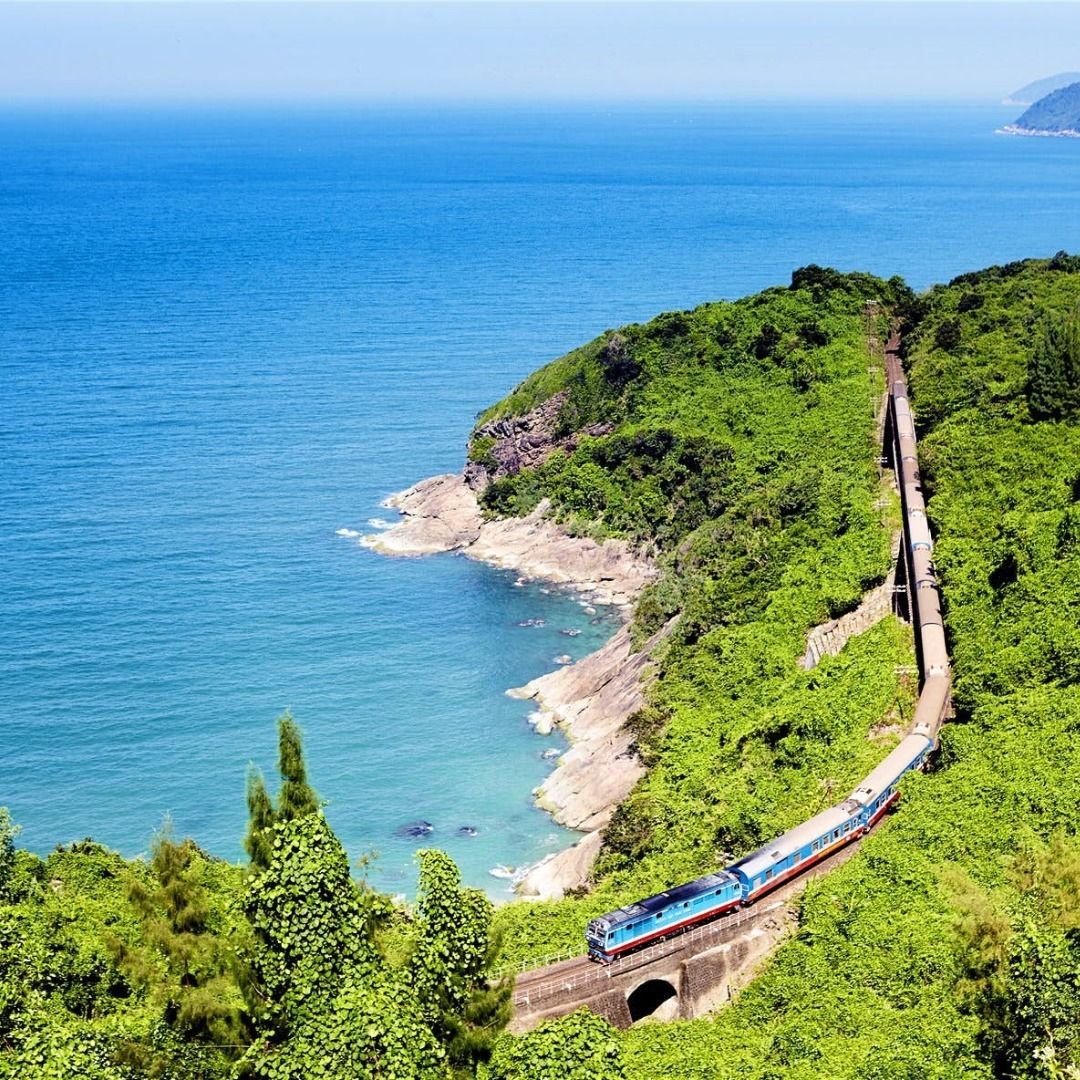
Stretching approximately 1,726 kilometers between Ha Noi and Ho Chi Minh City, the railway passes through mountain coastlines, agricultural regions, fishing towns, urban centers, and historic transport corridors that continue to shape Viet Nam’s regional connectivity.
One of the most visually recognized sections of the route runs through the Hai Van Pass, where railway tracks follow the coastline between mountains and the sea. This section has become one of the defining images associated with railway travel in Viet Nam.
Unlike high-speed transport focused purely on efficiency, the Reunification Express offers travelers a slower experience centered on observation, transition, and regional movement. Passengers experience Viet Nam gradually – from Northern river plains and Central coastal cities to Southern urban expansion – through one continuous transportation corridor.
The growing international attention surrounding Viet Nam’s railway system also reflects broader travel trends favoring scenic rail journeys, slow travel experiences, and transportation routes that allow deeper interaction with landscapes and local culture.
Modern Connectivity and Viet Nam’s Transportation Future
Viet Nam continues investing in transportation infrastructure including highways, airports, seaports, and railway modernization projects aimed at improving national connectivity.
The North-South corridor remains central to these long-term transportation strategies because it links the country’s largest urban centers, industrial regions, and tourism destinations.
As regional movement and economic integration continue expanding, railway systems are expected to remain important for both passenger mobility and logistics connectivity throughout Viet Nam.
The railway therefore represents both historical infrastructure and part of the country’s evolving transportation future.
Viet Nam’s North-South Railway remains one of the country’s most recognizable transportation journeys because it connects landscapes, cities, and communities through continuous movement across the length of the country.
From coastal passes and regional stations to urban transport hubs and long-distance rail corridors, the journey reflects how transportation infrastructure continues to shape travel and economic connectivity throughout Viet Nam.
For travelers seeking a broader understanding of the country beyond individual destinations, the railway offers one of the clearest ways to experience Viet Nam through movement itself.
Viet Nam’s transportation networks continue to connect coastal cities, industrial regions, mountain landscapes, and economic corridors across the country.
Explore more regional insights from Vantage Logistics.
Contact Vantage Logistics for tailored transport solutions and competitive quotations.
Please provide details on cargo type, market, origin, destination, and estimated timeline.
| Vantage Logistics Corp – South East Asia (S.E.A) Logistics Provider
One-Stop Shop For Integrated Logistics Services |
|
| Head Office | Viet Nam – Suite 6.01, Floor 6th, Block A, RiverGate Residence,
151-155 Ben Van Don, Khanh Hoi Ward, HCMC, Viet Nam |
| Branch | Thailand, Laos, Cambodia, Malaysia, Indonesia, Singapore |
| Contact Us | |
| in**@*****om.vn | |
| Phone | +84-28 382 67312 |
| Hotline | +84-909-026-261 |
| Website | https://vantage-logistics.com |
Send your shipment enquiry today and receive a tailored transport plan from the Vantage Logistics team.



 Vantage News

