 LOGIN
LOGIN 

 Sea Freight
  Air Freight
  Intermodal
  Customs Brokerage
  Project Logistics
  Warehouse Services
  Trucking
  Insurance
  Logistics Infrastructures
  Consulting & Assistance
  NVOCC
NVOCC  Barge & Coastal Feeder
  GSA / PCSA Airlines
  Perishable / Refrigerated Logistics
  Dangerous Good Logistics
  Oil & Gas Logistics
  Offshore Services
  Rice Logistics
  Global Sales Logistics
  Parcel / Courier Logistics
  Cross-Docking & End-To-End Warehousing
  On Board Courier
  Buying Agent
Morning traffic moves through the narrow streets of Ha Noi Old Quarter as food vendors prepare breakfast beside colonial shop houses and small alley cafés begin filling with locals. Scooters flow continuously through intersections while market deliveries, street kitchens, tourists, and residents share the same streets across Viet Nam’s capital. Located in the center of Ha Noi, the Old Quarter remains one of Northern Viet Nam’s most active urban districts, shaped by centuries of commerce, movement, and cultural exchange.
For international travelers, Ha Noi Old Quarter offers more than historical landmarks. It offers a close view of how Viet Nam’s capital continues to function through trade streets, local food culture, transport movement, and dense everyday urban life.
Ancient Trade Streets and Ha Noi’s Commercial History
The structure of Ha Noi Old Quarter reflects its origins as a historic trading district. For centuries, individual streets specialized in particular goods and crafts, creating a commercial system where merchants, artisans, and transport activity shaped the organization of the city itself.
Many streets still carry names connected to these earlier industries, including metalwork, textiles, paper products, herbal medicine, and household goods. Although modern retail and tourism now occupy much of the district, traces of Ha Noi’s trading history remain visible through narrow shop houses, local workshops, and dense street-level commerce.
This commercial identity helped establish Ha Noi as one of Northern Viet Nam’s most important urban centers long before modern infrastructure networks emerged.
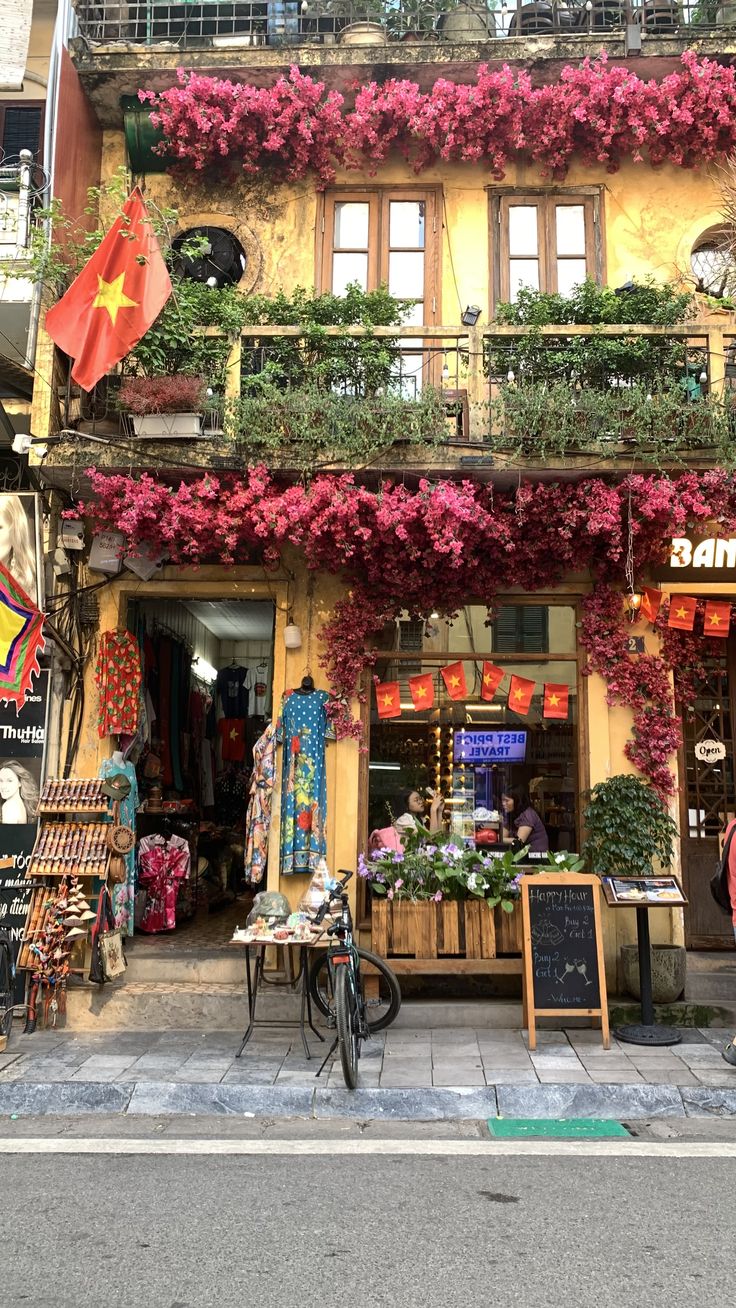
French Colonial Architecture and Layered Urban Design
Walking through Ha Noi Old Quarter reveals a mix of architectural periods existing within the same blocks. Traditional tube houses stand beside French colonial buildings, government structures, religious sites, and modern storefronts.
French colonial influence remains especially visible through balconies, shuttered windows, faded yellow facades, and wider boulevards connecting older sections of the capital. At the same time, smaller alleyways continue to preserve older residential patterns where local businesses and family homes operate within tightly connected neighborhoods.
This layering of architecture reflects Ha Noi’s long urban history shaped by trade, colonial administration, political change, and rapid economic growth across recent decades.

Street Food, Alleyways, and the Rhythm of Daily Movement
Food culture plays a central role in the identity of Ha Noi Old Quarter. Sidewalk kitchens, local restaurants, coffee shops, and mobile vendors operate continuously throughout the day, turning the district into one of Viet Nam’s most active street dining environments.
Popular dishes including pho, bun cha, grilled meats, egg coffee, and fresh spring rolls remain closely tied to Ha Noi’s street culture and neighborhood routines. Rather than existing separately from the city’s movement, food stalls often function directly within traffic flow, alley intersections, and pedestrian spaces.
Movement defines much of the Old Quarter experience. Scooters, bicycles, delivery carts, and pedestrians move simultaneously through streets originally designed centuries before modern traffic systems. For many visitors, this constant motion becomes one of Ha Noi’s most recognizable characteristics.

Lakes, Public Spaces, and Urban Gathering Points
Despite the density of the Old Quarter, lakes and public spaces continue to shape the atmosphere of central Ha Noi. Hoan Kiem Lake remains one of the city’s most important gathering areas, connecting local residents, tourists, street performers, and small businesses throughout the day.
Early mornings around the lake often include exercise groups, walking routes, and community activities, while evenings bring heavier pedestrian movement and public social activity. These spaces provide contrast to the narrow commercial streets surrounding the district.
The relationship between lakes, transport routes, and urban neighborhoods has historically influenced how Ha Noi expanded across different periods of development.

Ha Noi as Northern Viet Nam’s Transportation Hub
Beyond tourism, Ha Noi functions as one of Viet Nam’s most important transportation and logistics centers. Major highways, railway corridors, airports, and regional trade routes connect the capital with Northern Viet Nam’s industrial provinces, coastal ports, and border regions.
Historically, Ha Noi developed as a commercial gateway linking river movement, regional trade activity, and administrative control throughout the north. Today, that role continues through expanding infrastructure systems supporting both domestic and international connectivity.
Travelers moving between destinations such as Ha Long Bay, Sa Pa, and Ninh Binh often begin their journeys in Ha Noi, reinforcing the city’s role as the central movement hub of Northern Viet Nam.
Why International Travelers Continue to Choose Ha Noi
Global travelers increasingly search for destinations offering atmosphere, local interaction, and urban authenticity rather than isolated tourism zones. Ha Noi Old Quarter reflects this through its layered streets, commercial activity, food culture, and visible daily movement.
The district does not function as a preserved historical site separated from modern life. Instead, history, transportation, commerce, and local routines continue operating together within the same urban environment.
For many visitors, Ha Noi becomes less about individual attractions and more about observing how movement shapes the city itself.
Ha Noi Old Quarter remains one of Northern Viet Nam’s most recognizable urban districts because it combines historical commerce, street culture, architecture, and transportation movement within a single city landscape.
From colonial streets and local markets to scooter traffic and regional transport connectivity, the district reflects how Ha Noi continues to function as both a historical capital and a modern gateway across Northern Viet Nam.
Northern Viet Nam’s cities are shaped not only by history, but also by the transport routes, commercial networks, and regional connections moving through them every day.
Explore more regional insights from Vantage Logistics.



 Vantage News

