RESOURCE

vlc-news-philippines-cancels-rice-import-permit-15102026

Market updates

Philippines Cancels Permit for Controversial 12,480-Metric-Ton Rice Shipment from Viet Nam

The Philippine Department of Agriculture (DA) said it had ordered the cancellation of the Sanitary and Phytosanitary Import Clearance (SPSIC) for a 12,480-metric-ton rice shipment from Viet Nam before the vessel arrived. The case involves reported discrepancies in rice specifications and an expired import contract, highlighting the risks that can arise when shipping schedules do not align with import requirements in the destination market. 1. Developments at the Port of Arrival According to the Philippine Department of Agriculture (DA) and the Philippine News Agency (PNA), the vessel MV Tay Son 2, carrying 12,480 metric tons of rice from Viet Nam, arrived at the Port of Davao on September 14, 2026. According to these sources, the vessel’s captain refused to submit the shipment for inspection by the Philippine Bureau of Plant Industry (BPI). On September 17, 2026, the vessel departed Davao before the matter had been resolved. Philippine authorities subsequently prevented the cargo from being unloaded at another location and brought the vessel to the Port of General Santos before ordering it to return to Davao for further handling. 2. Rice Specifications and Import Requirements The case involves two issues: reported discrepancies in rice specifications and the status of the import contract and permit. 2.1. Reported Discrepancy in Rice Specifications The importer, Planters Product, Inc. (PPI), reported a discrepancy between the purchase order and the specifications communicated for the shipment: Specifications under the purchase order: 25% broken rice Reported specifications for the shipment: 5% broken rice In agricultural trade, the percentage of broken grains is an important commercial specification. However, the discrepancy remains based on information reported by the importer and has not been confirmed by an official inspection, as the physical inspection process was not completed. 2.2. Expired Contract and Canceled Import Permit In addition to the rice specifications, the delivery timeline and the status of the import documentation were also highlighted by the DA: Estimated time of arrival (ETA): July 2026 Actual arrival: Mid-September 2026 According to the DA, the import contract had expired and the SPSIC had been canceled before the vessel arrived. The vessel’s arrival also coincided with the period when the Philippines was preparing for the wet-season rice harvest. According to published information, import policy during this period was also linked to efforts to limit downward pressure on domestic palay prices. Operational Note: Even when goods meet quality requirements, a shipment may still face customs clearance difficulties if it fails to meet import requirements or if the relevant permit is no longer valid. 3. Proposed Measures for Handling the Shipment According to published information, the Bureau of Customs of the Philippines (BOC) was still considering the final course of action for the shipment. The proposed measures included: Proposed Measure Proposing Authority / Status Return to the Country of Origin The BPI was reported to have recommended returning the shipment to Viet Nam. Seizure and Penalties The DA proposed considering seizure of the shipment and the application of penalties under relevant regulations, subject to the competent authority’s findings and decision. Final Decision The BOC was reviewing the official course of action for the shipment. 4. Conclusion The controversial rice shipment in the Philippines highlights how international trade depends not only on product quality and contractual terms but also on shipping schedules, the validity of import documentation, and regulatory requirements in the destination market. When these elements are no longer aligned, shipments already in transit may face unexpected complications during arrival and customs clearance. Vantage Logistics will continue to provide updates on notable developments in logistics, import-export activities, and international supply chains, offering businesses additional insight into factors that may affect global trade. Contact Vantage Logistics for tailored transport solutions and competitive quotations. Please provide details on cargo type, market, origin, destination, and estimated timeline.   Vantage Logistics Corp – South East Asia (S.E.A) Logistics Provider One-Stop Shop For Integrated Logistics Services Head Office Viet Nam – Suite 6.01, Floor 6th, Block A, RiverGate Residence, 151-155 Ben Van Don, Khanh Hoi Ward, HCMC, Viet Nam Branch Thailand, Laos, Cambodia, Malaysia, Indonesia, Singapore Contact Us Email in**@*****om.vn Hotline +84-909-026-261 Website https://vantage-logistics.com Send your shipment enquiry today and receive a tailored transport plan from the Vantage Logistics team.

15/10/2026

View More
vlc-news-asean-east-asia-trade-15102026

Market updates

ASEAN–East Asia Trade Reaches USD 1.4 Trillion, Up 13.7% in 2025

According to preliminary data from the ASEAN Secretariat, two-way trade between ASEAN and its three East Asian partners (China, Japan, and South Korea) reached USD 1.4 trillion in 2025, representing a 13.7% year-on-year increase. Notably, China–ASEAN trade continued its upward trajectory in the first seven months of 2026, underscoring a sustained expansion in cross-regional trade volumes worth monitoring. 1. Regional Trade Volume and Foreign Direct Investment (ASEAN+3) Trade and investment flows between ASEAN and its three East Asian partners maintain a substantial footprint. In 2025, Foreign Direct Investment (FDI) inflows from China, Japan, and South Korea into ASEAN totaled USD 44.8 billion. Key ASEAN–East Asia Trade & Investment Indicators Indicator Value Growth / Share ASEAN – (China, Japan, South Korea) Trade in 2025 USD 1.4 Trillion Up 13.7% vs 2024 FDI from 3 East Asian Partners into ASEAN in 2025 USD 44.8 Billion Accounted for 18.2% of total ASEAN FDI China – ASEAN Trade (First 7 Months of 2026) USD 744.41 Billion Up 24.7% year-on-year The scale of merchandise trade and investment capital highlights the vital economic linkage between East Asia and Southeast Asia. However, assessing actual freight demand requires a granular evaluation of specific commodity structures, export-import markets, and active transport corridors. 2. Direct Impacts on Transport Networks and Logistics Infrastructure Expanding trade volumes underscore the critical role of regional transport connections. Depending on industry-specific cargo characteristics and delivery requirements, flexible logistics solutions are being actively deployed: Intra-Asia Ocean Freight Connections: For multi-leg shipments, vessel schedule reliability, transit times, and feeder network connectivity are pivotal factors for supply chain managers. Major gateway hubs such as Shanghai, Ningbo, Busan, and Yokohama maintain dense feeder linkages with Southeast Asian ports within ocean carrier networks Integrated Logistics and Multimodal Transport: Depending on lead-time sensitivity, combining ocean freight, Cross-Border Trucking, and inland warehousing offers expanded routing options. Real-world operational efficiency hinges heavily on border crossing clearance times, transit schedules, and the coordination capability of the logistics operator Rules of Origin (C/O) and Customs Compliance: When leveraging Free Trade Agreements such as RCEP, AKFTA, or AJCEP, enterprises must accurately determine rules of origin and prepare compliant documentation to qualify for preferential tariffs. Duty exemption eligibility depends on the specific conditions of each product line and destination market 3. Monitoring Southeast Asian Trade Dynamics and Logistics Connectivity Expanding trade and investment flows reflect an increasingly integrated economic relationship between East Asia and Southeast Asia. This growth in cross-border trade creates momentum for expanding logistics connectivity, helping strengthen supply chain coverage across the region.   Contact Vantage Logistics for tailored transport solutions and competitive quotations. Please provide details on cargo type, market, origin, destination, and estimated timeline. Vantage Logistics Corp – South East Asia (S.E.A) Logistics Provider One-Stop Shop For Integrated Logistics Services Head Office Viet Nam – Suite 6.01, Floor 6th, Block A, RiverGate Residence, 151-155 Ben Van Don, Khanh Hoi Ward, HCMC, Viet Nam Branch Thailand, Laos, Cambodia, Malaysia, Indonesia, Singapore Contact Us Email in**@*****om.vn Hotline +84-909-026-261 Website https://vantage-logistics.com Send your shipment enquiry today and receive a tailored transport plan from the Vantage Logistics team.

15/10/2026

View More

Market updates

SINGAPORE STRENGTHENS PRODUCT SAFETY CONTROLS: WHAT VIETNAMESE EXPORTERS NEED TO KNOW

Singapore is strengthening its product safety controls through two key regulations: the Consumer Protection (Safety Requirements) Regulations (CPSR) and the Consumer Goods (Safety Requirements) Regulations (CGSR). For exporters, these requirements go beyond product compliance. They can also affect delivery schedules, logistics costs, and supply chain reliability. 1. Singapore Strengthens Product Safety Requirements According to information published by Vietnam’s Ministry of Industry and Trade, Singapore applies two main regulatory frameworks for product safety. – CPSR: Covers 33 categories of controlled goods, including electrical and electronic products, household appliances, and gas appliances. Products within scope must meet applicable safety requirements, complete registration, and carry the SAFETY Mark before being supplied or sold in Singapore. – CGSR: Covers general consumer goods such as toys, clothing, furniture, and sports equipment, which must comply with the relevant safety standards. Non-compliant products may be subject to sales restrictions or recalls. Businesses that violate applicable requirements may also face penalties. For exporters, checking compliance requirements before shipment is essential. Addressing documentation or registration issues early can help avoid costly adjustments after cargo has already left the port of origin. 2. Potential Impact on Southeast Asia’s Trade and Logistics Singapore plays an important role in Southeast Asia’s trade and logistics network. Tighter product safety controls may require exporters, importers, and distributors to review their procedures for placing goods on the Singapore market. Several potential risks deserve attention: – Delivery delays: Incomplete documentation or missing certificates may affect cargo acceptance and delivery schedules. – Additional logistics costs: Delays in resolving compliance issues may lead to storage, port handling, or additional transportation costs. – Disrupted distribution plans: Late deliveries can affect inventory planning, distribution schedules, and commitments to business partners. These requirements do not automatically apply across all ASEAN markets. However, they highlight the importance of understanding the specific regulations of each destination country when planning regional trade and distribution. 3. What Should Vietnamese Exporters Prepare? For Vietnamese businesses exporting to Singapore, compliance checks should take place before shipment arrangements are finalized. Exporters should determine whether their products fall under CPSR or CGSR, verify the applicable safety standards and registration requirements, and clarify responsibilities with their Singaporean importers. Documentation preparation should also be factored into the shipping schedule. If an issue is discovered only after cargo arrives at the destination port, businesses may need to manage several challenges simultaneously, including delivery delays, additional costs, and changes to distribution plans. A reliable shipping plan therefore involves more than selecting the right route or sailing schedule. It also requires anticipating potential obstacles before the cargo reaches its destination. 4. Managing Risks Through Early Planning Not every risk in international shipping can be eliminated, but many disruptions can be reduced through early preparation. Reviewing cargo information, documentation, shipping schedules, and destination requirements helps all parties make better-informed decisions. For shipments to Singapore, close coordination among exporters, importers, agents, and logistics providers helps maintain visibility over shipment readiness, address changes, and adjust plans when necessary. At Vantage Logistics, international transportation planning takes into account the practical requirements of each shipment and the coordination needed among relevant parties. This approach helps businesses manage potential disruptions and maintain better control over delivery schedules. As market requirements evolve, careful preparation does more than protect an individual shipment. It also helps businesses maintain reliable supply chains and build lasting partnerships across international markets.

15/10/2026

View More

Market updates

U.S. Imposes New Import Tariffs Effective from 12:01 AM, August 7, 2025

U.S. imposes new tariffs on ASEAN from August 7; Vietnam faces up to 40%. Vantage Logistics helps exporters optimize routes and ensure compliance. Official Announcement from the U.S. Government On July 31, 2025 (U.S. time), President Donald Trump signed an executive order imposing new tariffs on imported goods from multiple countries. The new tariff rates, ranging from 10% to 41%, will take effect from 12:01 AM EDT on August 7, 2025. For Canada, the tariff will increase from 25% to 35%, effective August 1. Taiwan (China) will be subject to a 20% tariff. The highest rate of 41% applies to Syria, followed by Laos and Myanmar at 40%. Countries subject to tariffs of 30% or higher include Algeria, Bosnia and Herzegovina, Iraq, Serbia, South Africa, and Sweden. Six countries face a 19% tariff: Cambodia, Indonesia, Malaysia, Pakistan, the Philippines, and Thailand; Nicaragua will face 18%. 39 countries are subject to a 15% tariff, including: Afghanistan, Angola, Bolivia, Botswana, Cameroon, Chad, Costa Rica, Côte d’Ivoire, Democratic Republic of the Congo, Ecuador, Equatorial Guinea, Fiji, Ghana, Guyana, South Korea, Iceland, Israel, Jordan, Lesotho, Liechtenstein, Madagascar, Malawi, Mauritius, Mozambique, Namibia, Nauru, New Zealand, Nigeria, North Macedonia, Norway, Papua New Guinea, Trinidad and Tobago, Turkey, Uganda, Vanuatu, Venezuela, Zambia, Zimbabwe, and Japan. Four countries will face the lowest tariff rate of 10%, including Australia, Brazil, the United Kingdom, and the Falkland Islands. Goods originating from countries not listed in the annex will be subject to a default tariff of 10%. A 40% tariff will apply to shipments suspected of transshipment via third countries. In addition to reciprocal tariffs, some countries will be subject to additional duties, with Brazil facing a total tariff rate of up to 50%. Mexico will receive a 90-day grace period before a 30% tariff is imposed, allowing time for further trade negotiations. Effective Timeline: Shipments loaded on or after August 7, 2025 (EDT) will be subject to the new tariff rates. Shipments loaded on vessels before August 7, 2025 (EDT), arriving at U.S. ports and completing customs clearance before 12:00 AM on October 5, 2025 (EDT) will be subject to previous tariff rates. Previously, on July 2, 2025, the U.S. and Vietnam agreed to apply a 20% tariff on Vietnamese exports. The U.S. will impose new tariffs on imports starting August 7 – Vietnam will face rates of 20% The broad implementation of increased tariffs reflects the U.S.’s tighter enforcement of rules of origin and bilateral trade balancing. This development presents both a challenge and an opportunity for exporters to optimize their supply chains, enhance product value, and standardize origin documentation to remain competitive. Businesses must also assess the impact of these changes and reevaluate their competitive positioning against peer exporters to the U.S. market, as well as adjust their operational strategies accordingly. Vantage Logistics – Your Partner in Navigating New U.S. Trade Policies Vantage Logistics is committed to supporting exporters with comprehensive and cost-optimized logistics solutions for shipments to the U.S.: Route consulting to help maximize the window before new tariffs. Customs and certificate of origin solutions to ensure compliance and minimize risk. End-to-end multimodal transport and warehousing services for cost control across the supply chain. We are ready to work with you to adjust export plans, manage logistics costs, and leverage emerging opportunities in the U.S. market amid evolving trade policies. Annex: Adjusted Reciprocal Tariff Rates by Country and Territory Countries and Territories Reciprocal Tariff, Adjusted Afghanistan (Afghanistan) 15% Algeria (Algiêri) 30% Angola 15% Bangladesh (Bangladesh) 20% Bolivia (Bolivia) 15% Bosnia and Herzegovina (Bosna và Herzegovina) 30% Botswana 15% Brazil (Brazil) 10% Brunei (Brunei) 25% Cambodia (Campuchia) 19% Cameroon (Cameroon) 15% Chad (Tchad) 15% Costa Rica 15% Côte d’Ivoire 15% Democratic Republic of the Congo 15% Ecuador 15% Equatorial Guinea 15% European Union: Goods with Column 1 Duty Rate> 15% 0% European Union: Goods with Column 1 Duty Rate < 15% 15% minus Column 1 Duty Rate Falkland Islands 10% Fiji 15% Ghana 15% Guyana 15% Iceland 15% India 25% Indonesia 19% Iraq 35% Israel 15% Japan 15% Jordan 15% Kazakhstan 25% Laos 40% Lesotho 15% Libya 30% Liechtenstein 15% Madagascar 15% Malawi 15% Malaysia 19% Mauritius 15% Moldova 25% Mozambique 15% Myanmar (Burma) 40% Namibia 15% Nauru 15% New Zealand 15% Nicaragua 18% Nigeria 15% North Macedonia 15% Norway 15% Pakistan 19% Papua New Guinea 15% Philippines 19% Serbia 35% South Africa 30% South Korea 15% Sri Lanka 20% Switzerland 39% Syria 41% Taiwan 20% Thailand 19% Trinidad and Tobago 15% Tunisia 25% Turkey 15% Uganda 15% United Kingdom 10% Vanuatu 15% Venezuela 15% Vietnam 20% Zambia 15% Zimbabwe 15% (Source: whitehouse.gov)...

04/08/2025

View More

Market updates

Silica Sand & High-Tech Mineral Exports from Central Vietnam to China: A Strategic Growth Opportunity Through 2025

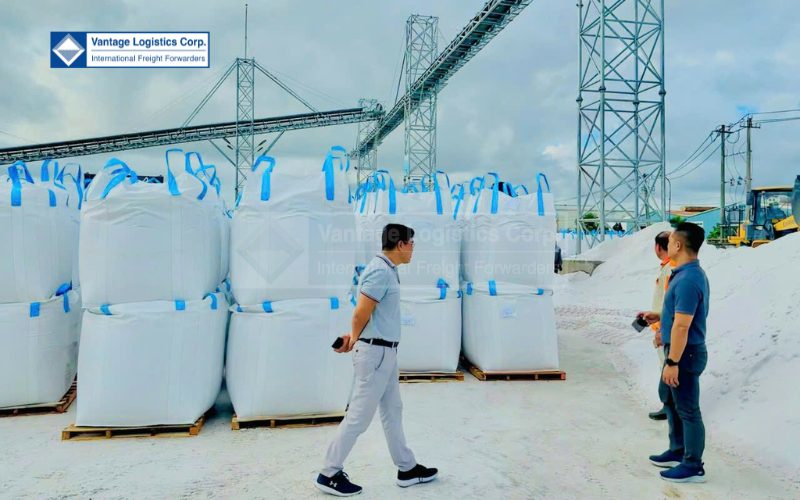
Central Vietnam is emerging as a strategic supply hub for silica sand – an indispensable raw material for manufacturing screens, semiconductors and high-tech equipment. With its geographic proximity to China and increasingly modernized deep-sea ports such as Da Nang and Quy Nhon, the region holds a significant logistics advantage in terms of transit time, cost-efficiency and supply chain agility. In 2023, Vietnam exported nearly 76,000 metric tons of silica sand, including over 14,000 tons to China. Export prices have shown a steady upward trend, reaching USD 75/ton by early 2025. As China’s import demand is projected to reach 2.3 billion kilograms by 2026, the market is transitioning from trial shipments to stable, high-volume commercial flows – presenting a timely opportunity for Vietnamese exporters and logistics providers. Market Trends Through Late 2025: Vietnam’s Silica Sand Well-Positioned for Expansion Amid strengthening Vietnam – China trade ties, Central Vietnam is fast becoming a strategic logistics corridor. Anchored by ports in Da Nang and Quy Nhon and bolstered by a growing network of cross-border trade routes, the region is ideally placed to serve rising demand from China’s high-tech manufacturing centers. Major Chinese industrial zones such as Guangdong, Shanghai and Ningbo are ramping up production of electronics, displays and semiconductors – industries that depend heavily on high-purity silica. China’s silica imports are expected to increase from 1.8 billion kg in 2021 to 2.3 billion kg by 2026, reflecting an average annual growth rate of 4.2%. Central Vietnam offers compelling advantages over other sources: Competitive freight rates thanks to shorter sailing distances Faster lead times due to direct port-to-port routes Consistently high-grade material, meeting China’s stringent technical specifications for high-tech use Vantage Logistics Da Nang inspects silica cargo ahead of export At Vantage Logistics’ Da Nang office, we’ve observed strong signals from long-term clients exporting silica sand to Nansha Port, China. Importantly, these are no longer one-off sample shipments but have evolved into recurring commercial contracts – a clear indicator of growing confidence in both Vietnamese material quality and Vantage’s cross-border logistics capabilities. Why the Central Vietnam – China Route Makes Strategic Sense Strategic port access: Direct sailings from Da Nang and Quy Nhon to China’s key ports – Nansha, Shanghai, and Ningbo Flexible cross-border routing: Seamless combination of ocean freight and inland trucking, optimising both cost and delivery time Integrated supply chain: From mine → storage → port → Chinese factory, enabling speed, reliability and transparency Stable supply source: Central Vietnam boasts abundant silica reserves, ensuring long-term export continuity Upgraded processing capabilities: Local producers are investing in modern processing lines to meet technical and volume requirements of high-spec clients Vietnam holds abundant silica sand reserves, ensuring a stable and continuous supply capacity Outlook Through 2025: Scale-Up and Diversify Two key dynamics are expected to shape the silica export market through the end of 2025: Higher shipment volumes and frequencies: As pilot shipments are validated, they are quickly converting into long-term, high-frequency contracts Product diversification: Success in silica creates a strong foundation to introduce other minerals into the high-tech supply chain – such as kaolin, bentonite and more Silica exports from Da Nang to Nansha are not merely transactional – they signal a structural shift in Central Vietnam’s mineral export landscape. Now is a critical window for Vietnamese suppliers to scale operations, improve supply chain resilience and secure a position on the global high-tech sourcing map. Vantage Logistics – Your Strategic Logistics Partner for Silica Sand and High-Tech Minerals At Vantage, we deliver end-to-end logistics solutions tailored to the complex needs of the mineral and industrial export sector – from mine to destination port: Door-to-door transport from Central Vietnam mining sites to major ports in China (Nansha, Shanghai, Ningbo, etc.) Specialized bulk cargo handling: Preserving silica integrity throughout storage, loading, and shipping Customs clearance & export documentation: Including CO, CQ, quality certification, and tariff optimization Long-term supply chain consulting: Co-developing sustainable, scalable logistics models for mining and manufacturing enterprises Multimodal transport integration: Combining sea, cross-border trucking, and domestic haulage to reduce delivery time and logistics cost With 23+ years of experience in industrial and project cargo, Vantage Logistics is ready to help your business optimize shipment performance, scale up to commercial volumes and tap into the growing demand of China’s high-tech industries....

30/07/2025

View More

Vantage News

Successful Delivery of 170 Containers of Fertilizer to 10 Ports Across Japan – A Trusted Solution for Large-Volume Commercial Cargo

To meet the demand for large-volume commercial shipments to multiple ports across Japan, Vantage Logistics partnered with Phu My Urea Plant (PMUP) – a branch of Petrovietnam Fertilizer and Chemicals Corporation (PVFCCo) – to successfully deliver 170 containers of urea fertilizer to 10 different destinations across the country. Shipment Details Total volume: 170 x 20’GP Cargo: Urea fertilizer Ports of Discharge (POD) in Japan: Tokyo, Nagoya, Moji, Onahama, Tomakomai, Osaka, Toyama, Hakata, Kobe, Sendai Services Provided by Vantage Logistics: Freight consultation and provision of optimized ocean freight rates Documentation handling and end-to-end cargo tracking Progress monitoring to ensure uninterrupted schedules 170 fertiliser containers delivered on schedule to 10 Japanese ports – executed with precision Multi-Port Delivery with Tight Schedule Control Each port in Japan required customized delivery timelines and coordination. Vantage proactively managed sailing schedules and worked closely with carriers and agents in Japan to ensure each shipment arrived as scheduled – avoiding delays, demurrage, or storage charges. Cost Optimization Through Flexible Transport Planning Given the split deliveries to various ports, Vantage designed a logistics plan that was both cost-effective and operationally efficient, helping the customer maintain on-time delivery while controlling logistics expenses amid fluctuating international freight rates. With proven expertise in handling high-volume commercial cargo and multi-destination deliveries, Vantage Logistics continues to strengthen its position as a reliable logistics partner for Vietnamese exporters in the global market. Operational Expertise – Integrated Logistics Solutions for Intra-Asia Trade With years of experience across Intra-Asia routes, Vantage Logistics delivers integrated logistics services covering key markets including China, South Korea, Taiwan, Japan, Southeast Asia, and India… Solutions include end-to-end logistics services: optimized transport planning, cargo consolidation, multi-port distribution, customs clearance, documentation, and full-process monitoring. Stable sailing schedules, a strong partner network, and flexible coordination capabilities ensure smooth operations under all market conditions. In particular, Vantage has developed dedicated capabilities in cold chain logistics for temperature-sensitive cargo. Services include door-to-door delivery, international-standard reefer containers, 24/7 temperature monitoring, and a specialized team following cold chain protocols – suitable for commodities such as fresh fruit, seafood, perishables, pharmaceuticals, and vaccines. Combining real-world execution capacity, market-specific insight, and tailored solution design, Vantage Logistics remains a strategic logistics partner for exporters navigating the competitive and dynamic Intra-Asia landscape....

21/07/2025

View More

Vantage News

Vantage provides a comprehensive parcel delivery solution that enables “Made in Vietnam” goods to fully capitalize on the new Vietnam–U.S

As global trade dynamics continue to shift, speed and transparency in international shipping have become critical for exporters and cross-border businesses. The Framework Trade Agreement between Vietnam and the United States, announced on July 2, 2025, opens major opportunities for Vietnamese-made goods – while also posing strict requirements on origin control and logistics costs. Under the agreement, the tariff rates are: 20% for goods with direct origin from Viet Nam 40% for goods transshipped through Viet Nam from a third country This calls for professional logistics partners who can ensure verified origin, reduce tax risks, and optimize shipping costs. US tariff on Vietnamese goods at 20% Parcel Delivery: Your End-To-End Solution To Break Through We support both businesses and individuals in maximizing the benefits of this new policy through: 1. International Origin Verification Our advanced system ensures goods are properly classified as “Made in Vietnam,” helping you avoid the 40% transshipment tariff and maintain credibility in the U.S. market. 2. Direct Delivery to the U.S. in 5 Business Days Optimized routes for fast delivery—ideal for time-sensitive industries like fashion, food, and consumer tech. 3. Priority Services for Authentic Vietnamese Products Tailored solutions from U.S.-compliant packaging to customs declaration support—dedicated to categories like handicrafts, fashion, natural cosmetics, consumer goods, and tech products. 4. Transparent Pricing – No Hidden Fees Clear, all-inclusive rates covering taxes, shipping, and insurance. Stay in control of your logistics budget Diverse Clients – Customized Solutions Individuals: Send gifts, documents, food, and handmade goods to the U.S. and over 80 countries SMEs: Expand into the U.S. without building in-house logistics Online sellers: Need fulfillment and global order handling for TikTok, Shopee, Lazada, Etsy, Shein, Amazon, eBay, and more Beyond express delivery, Vantage Logistics also provides: Professional customs clearance U.S.-standard packaging Cross-border order management Fulfillment services tailored for online sales channels Our integrated capabilities help clients save time, reduce costs, and optimize export workflows in cross-border e-commerce. Trust From The U.S. Market Major brands like Nike, Apple, and Amazon have responded positively to the new trade deal – showing confidence in Vietnamese-made products. Fast, accurate, and verified delivery will be the “passport” for Vietnamese businesses to expand globally...

10/07/2025

View More

Market updates

U.S. Imposes 20% Tariff on Vietnamese Goods: Compliance Challenges and the Need to Rethink Export Strategy

US announces Vietnam trade deal, will impose 20% tariffs The US will impose 20% tariffs on imports from Vietnam and 40% tariffs on transshipments – while Vietnam will charge no tariffs on US imports, according to a trade agreement that the US president announced on 02/07/2025. A new trade agreement between the United States and Viet Nam was officially announced by President Donald Trump on July 2, 2025, marking a significant shift in U.S. tariff policy on goods imported from Vietnam. 1. Key Highlights of the Agreement: A 20% import tariff is now applied to all goods originating from Vietnam, replacing the previously threatened 46% rate. A 40% tariff will apply to goods suspected of being transshipped from third countries, particularly those using components or materials of unclear origin. Vietnam has committed to removing all import tariffs on goods from the United States, creating a duty-free pathway for U.S. exports to the Vietnamese market. ​ 2. Broad Implications for Vietnamese Exporters This agreement reinforces the United States’ commitment to tightening control over supply chains and demanding full transparency in product origin declarations. It aims to prevent trade circumvention via transshipment or misrepresentation of country of origin. For Vietnamese exporters, this new policy does more than raise tax burdens—it increases the risk of customs investigations, clearance delays, and compliance pressure, especially for sectors with high dependency on imported raw materials from third countries, such as: Textiles and garments, Footwear, Electronics and components, Wood and wood products, Steel and steel products, Plastics and chemicals… Many export categories in these sectors rely heavily on imported inputs—particularly from China—making it difficult to meet U.S. rules of origin such as local value-added thresholds or HS code transformation requirements. This puts such goods at risk of being classified as transshipped, subject to the 40% tariff.. 3. Challenges Bring Opportunities While the new tariffs introduce short-term risks, this is also a turning point for Vietnamese exporters to: Restructure supply chains, sourcing more inputs domestically or from countries not under strict scrutiny. Standardize production records and processes, ensuring transparency and the ability to verify origin with proper documentation. Increase domestic value-added, reducing reliance on imported semi-finished components and raw materials. VANTAGE LOGISTICS – PARTNER FOR U.S. – BOUND EXPORTS In this fast-changing policy environment, Vantage Logistics serves as a comprehensive logistics and compliance partner, supporting Vietnamese exporters in navigating new trade complexities. Our tailored services include: – Strategic consulting on logistics and U.S. import tax compliance by product group – Product origin assessment and verification – Preparation and validation of export documentation compliant with U.S. standards – U.S. customs clearance and brokerage services – Advisory on efficient transport routing to minimize risk and unnecessary costs – Guidance on HS code classification and support in resolving customs issues at port Policy has changed. Your export strategy must adapt immediately.Vantage Logistics is here to support you—from planning and documentation to shipment execution and customs clearance. Contact our U.S. Market Advisory Team for expert support tailored to your business....

03/07/2025

View More

Market updates

Market Update: Thailand – Cambodia Border Tensions Rise, Yet Cross-border Logistics Remain Operational

With operational offices in Phnom Penh and Sihanoukville (Cambodia) and an established cross-border network, Vantage Logistics has activated a series of support measures: Proactive Monitoring and Coordination: On-site monitoring at border checkpoints, in close coordination with transport partners and local authorities. Dynamic route management, prioritizing stable and functioning clearance points. Amid growing political tensions along the Thailand–Cambodia border, authorities from both sides have tightened control measures at major border checkpoints. However, as of now, there is no official statement confirming a full closure of cross-border land trade routes. Logistics operations and cargo clearance are still ongoing, although adjustments in transit times and transport methods have been observed in certain sensitive areas. 1.    Border Checkpoint OperationsCheckpoints such as Ban Khao Din, Ban Nong Ian – Stung Bot, and Bang Nong Prue have reported heightened inspection procedures. At the same time, temporary relaxations have been implemented in some locations to ease congestion. This indicates that while land transport between Cambodia and Thailand is facing operational challenges, it has not come to a halt. All activities remain subject to rapid changes depending on the evolving situation. 2.    Impacts on Supply Chains and Logistics Operations Stricter Administrative Controls: Tighter inspections on cargo, documents, and warehousing durations. Delays in Customs Clearance: Adjusted working hours at some crossings may disrupt delivery schedules. Increased Operating Costs: Longer waiting times, route changes, and additional warehousing and fuel expenses. Supply Chain Disruptions: Businesses relying on Cambodia – Thailand land routes should prepare for contingencies. Modal Shift Requirements: Certain shipments may require rerouting via sea or air freight to meet delivery timelines. 3. Vantage Logistics: Cross-border Monitoring & Support With operational offices in Phnom Penh and Sihanoukville (Cambodia) and an established cross-border network, Vantage Logistics has activated a series of support measures: Proactive Monitoring and Coordination: On-site monitoring at border checkpoints, in close coordination with transport partners and local authorities. Dynamic route management, prioritizing stable and functioning clearance points. Operational Optimization Support: Advisory on optimal transport alternatives, including road, ocean, and air freight, to maintain safe and efficient cargo flows. Tailored contingency plans such as: Utilizing transit routes through Viet Nam. Enhancing Sea Freight and Barge services via Sihanoukville and Phnom Penh ports, and leveraging Cambodia’s international airports. Vantage Logistics remains committed to standing by our clients and partners—providing real-time updates, delivering flexible logistics solutions, and ensuring uninterrupted supply chain continuity under all circumstances.Should you require further information or assistance, please don’t hesitate to contact us. Our dedicated support team is ready to respond promptly and professionally...

01/07/2025

View More

Vantage Events

Vantage Logistics at OLO Conference 2025: Strengthening Connections, Advancing Global Collaboration

Participation in OLO Conference 2025 not only strengthened Vantage Logistics’ connections with global partners but also opened up new cooperation opportunities that align with our mission to facilitate international trade, investment, and resilient supply chain development. On June 23, 2025, Vantage Logistics participated in the OLO Conference 2025 in Ho Chi Minh City – a premier global logistics cooperation event that brought together more than 700 logistics companies from over 70 countries and territories. This annual event serves as a key platform for networking, business exchange, and promoting strategic cooperation within the global logistics and transportation sector. OLO is an e-commerce platform providing integrated services for international logistics enterprises. It aims to build a transparent credit ecosystem, a secure payment system, a reliable agent development network, and innovative global brand marketing. Through continuous innovation and comprehensive services, OLO supports the growth of global logistics businesses. This year’s conference followed the innovative “1+4” format, comprising a central plenary session and four complementary activities: high-efficiency one-on-one business meetings, thematic workshops, port visits, and premium networking experiences (such as golf and welcome banquets). The setup fostered real-world engagement, trust-building, and the development of long-term, high-value business partnerships. Mr. Philip Diep – Chairman of Vantage Logistics As part of the conference, Mr. Philip Diep – Chairman of Vantage Logistics – delivered a keynote presentation titled: “Navigating US Reciprocal Tariffs: Vietnam’s Strategic Response & Vantage Logistics’ Perspective.” In his speech, Mr. Diep addressed the evolving landscape of reciprocal tariffs between the United States and Viet Nam, as well as the strategic policy responses from the Vietnamese government to maintain export resilience. He emphasized the critical role logistics providers – particularly Vantage Logistics – play in supporting businesses to adapt through flexible transshipment, optimized routing, and value-added logistics solutions. Mr. Diep also highlighted the growing potential for investment and business cooperation in Vietnam, which is increasingly positioned as a strategic manufacturing and logistics hub in Southeast Asia. In today’s shifting global supply chains, Vantage Logistics stands ready as a reliable logistics bridge, helping international enterprises navigate and access the Vietnamese market with agile, cost-effective, and scalable solutions. With over 23 years of experience, Vantage Logistics offers fully integrated logistics services, including ocean freight, air freight, cross-border transport, and multimodal solutions. Our proven capabilities in handling time-critical, complex, and special cargo have enabled us to support customers through every stage of their supply chain expansion in Vietnam and the region. Participation in OLO Conference 2025 not only strengthened Vantage Logistics’ connections with global partners but also opened up new cooperation opportunities that align with our mission to facilitate international trade, investment, and resilient supply chain development. Below is a photo at the conference: Photo source from OLO...

27/06/2025

View More

Vantage News

DANGEROUS GOODS (DG) TRANSPORTATION – RISKS AND LESSONS FROM THE WAN HAI 503 FIRE INCIDENT

As a DG service provider, Vantage Logistics recognizes that even a small mistake can lead to serious consequences for people, property, and the environment. The WAN HAI 503 incident highlights the urgency of rigorous control and accountability across the entire supply chain. The fire onboard WAN HAI 503 off the coast of India on June 9, 2025 is a stark reminder of the serious risks associated with transporting Dangerous Goods (DG) by sea. At Vantage Logistics, we view this as a timely opportunity to reinforce industry standards and operational vigilance when handling this high-risk cargo category. 1. Incident Overview The Singapore-flagged container ship WAN HAI 503 was en route from Colombo (Sri Lanka) to Mumbai (India) when it caught fire in the morning of June 9, 2025, approximately 80–144 km off the Kerala coast. The vessel carried 1,754 containers, including 143 DG containers containing diesel, alcohol, nitrocellulose, and several other hazardous chemicals, some of which were not properly declared. Nguồn: Indian-Coast-Guard   This incident is not isolated in the maritime industry, but it underscores the severe consequences of misdeclaration, improper packaging, and lack of operational control in the handling of dangerous goods.   2. What Are Dangerous Goods (DG)? Dangerous Goods refer to materials or substances that pose a risk to human health, property, or the environment during transport. According to the IMDG Code, DG are categorized into nine classes: (1) Explosives (2) Gases (flammable/non-flammable) (3) Flammable liquids (4) Flammable solids (5) Oxidizing substances and organic peroxides (6) Toxic and infectious substances (7) Radioactive materials (8) Corrosive substances (9) Miscellaneous dangerous substances and articles   3. Key Risks in DG Transportation Transporting DG cargo carries significant risks if not properly controlled: Fire & Explosion Hazards: Exposure to high temperatures, mechanical impact, or chemical reactions can trigger fires or explosions. The WAN HAI 503 fire, reportedly due to flammable chemicals, illustrates these dangers vividly. Incorrect or Incomplete Declarations: Many shippers, to cut costs or due to lack of awareness, deliberately misdeclare UN codes, DG classes, or omit DG status altogether. This compromises handling, storage, and emergency response at sea ports and on board. Improper declaration often leads to non-compliant packaging and stowage, a leading cause of maritime DG incidents. Environmental Risks: Chemical spills can severely damage marine ecosystems, impact local fisheries, and harm tourism. This is one of the most serious consequences of DG-related incidents. Financial and Legal Liabilities: Stakeholders may face massive compensation claims, litigation, increased insurance costs, and reputation damage. Shippers, consignees, and forwarders can all be held liable for violations. 4. Lessons from the WAN HAI 503 Incident This case reinforces several critical lessons for the logistics and shipping industry: Common Root Causes: Misdeclaration or non-declaration of DG cargo Non-compliant packaging and sealing of containers Lack of supervision during handling and stowage Consequences: Substantial financial loss for carriers, shippers, and insurers Disruption to international supply chains Damage to the credibility of involved parties. 5. Risk Prevention & Control Measures Minimizing DG-related risks requires strict adherence to standards and seamless coordination among all parties involved: Strict Compliance with IMDG Code:  Accurate declaration of UN Numbers, DG class codes, and cargo details. Proper use of standard international hazard labels. Upstream Control (Shippers’ Responsibility):  DG-compliant packaging tailored to each class. Independent inspection and verification by certified surveyors.  Training & Certification for Personnel:All personnel involved in logistics, transportation, and port operations must undergo regular training and hold valid certifications in accordance with international regulations governing the handling, transportation, and management of Dangerous Goods (DG).l. Technology Integration:  Temperature and leakage sensors to monitor DG container conditions. AI-powered risk detection systems for early fire/explosion alerts. Comprehensive Insurance:  Shippers and carriers must hold adequate insurance coverage for DG cargo to mitigate potential financial exposure. Vantage Logistics’ Commitment to DG Cargo Transportation Safety As a DG service provider, Vantage Logistics recognizes that even a small mistake can lead to serious consequences for people, property, and the environment. The WAN HAI 503 incident highlights the urgency of rigorous control and accountability across the entire supply chain. At Vantage, safety is our operational foundation. We take full responsibility across every DG process — collection, classification, packaging, labeling, customs declaration, loading/unloading, warehousing, and transportation — all in strict compliance with the IMDG Code and global standards. We oversee the end-to-end DG logistics chain, including: Container management by hazard class Multimodal transport coordination (FCL, LCL, Sea-Air) Cargo risk assessments & fire safety advisory Emergency support in collaboration with international salvage partners We understand: even when subcontracted, if misdeclaration or handling errors originate from our scope, Vantage remains accountable. Therefore, we maintain rigorous internal audits, contract controls, and compliance monitoring. We are committed to: Standardizing DG handling procedures to international norms Continuous training for our DG-dedicated teams Leveraging digital tools to monitor and manage risks Partnering with clients throughout the DG shipping journey...

23/06/2025

View More

Vantage News

Guidance on acceptable and unacceptable terms for the description of goods exported to European market (ICS2)

Vantage Logistics is committed to supporting exporters with up-to-date knowledge and expert consultation to ensure goods descriptions meet ICS2 compliance requirements set by EU Customs. We understand that the list of acceptable and unacceptable terms is dynamic and subject to regular updates. Our experienced team is ready to assist your business in adjusting and optimizing declaration procedures, ensuring faster and smoother customs clearance. Below is an essential guideline issued by the Directorate-General for Taxation and Customs Union of the European Commission. It is designed to improve the accuracy of goods descriptions for international exports—particularly when submitting ICS2 customs declarations for shipments entering the EU market. This document outlines a list of approved and prohibited terms in goods descriptions, enabling customs authorities to more effectively identify shipments and conduct risk assessments. The key objective is to ensure that businesses provide clear and sufficiently detailed descriptions of their goods. The use of vague or generic terms such as “consolidated goods,” “general cargo,” or “parts” is strictly not permitted. Adhering to these requirements not only helps mitigate risks for the European Union and its citizens, but also prevents unnecessary efforts, added costs, and supply chain delays—such as physical inspections triggered by incomplete or ambiguous goods descriptions. This legal obligation stems from the customs authorities’ need to base their risk analysis on complete goods information, especially when HS codes are not provided in the Entry Summary Declaration (ENS). Download > Guidance on acceptable and unacceptable terms for the description of goods Download > List of Prohibited Generic Terms under ICS2 Vantage Logistics is committed to supporting exporters with up-to-date knowledge and expert consultation to ensure goods descriptions meet ICS2 compliance requirements set by EU Customs. We understand that the list of acceptable and unacceptable terms is dynamic and subject to regular updates. Our experienced team is ready to assist your business in adjusting and optimizing declaration procedures, ensuring faster and smoother customs clearance. Contact Vantage Logistics today for professional support with your international shipments—especially those headed to the European market....

09/06/2025

View More
1 … 26 27 28 29 30 … 43