RESOURCE

vlc-news-philippines-cancels-rice-import-permit-15102026

Market updates

Philippines Cancels Permit for Controversial 12,480-Metric-Ton Rice Shipment from Viet Nam

The Philippine Department of Agriculture (DA) said it had ordered the cancellation of the Sanitary and Phytosanitary Import Clearance (SPSIC) for a 12,480-metric-ton rice shipment from Viet Nam before the vessel arrived. The case involves reported discrepancies in rice specifications and an expired import contract, highlighting the risks that can arise when shipping schedules do not align with import requirements in the destination market. 1. Developments at the Port of Arrival According to the Philippine Department of Agriculture (DA) and the Philippine News Agency (PNA), the vessel MV Tay Son 2, carrying 12,480 metric tons of rice from Viet Nam, arrived at the Port of Davao on September 14, 2026. According to these sources, the vessel’s captain refused to submit the shipment for inspection by the Philippine Bureau of Plant Industry (BPI). On September 17, 2026, the vessel departed Davao before the matter had been resolved. Philippine authorities subsequently prevented the cargo from being unloaded at another location and brought the vessel to the Port of General Santos before ordering it to return to Davao for further handling. 2. Rice Specifications and Import Requirements The case involves two issues: reported discrepancies in rice specifications and the status of the import contract and permit. 2.1. Reported Discrepancy in Rice Specifications The importer, Planters Product, Inc. (PPI), reported a discrepancy between the purchase order and the specifications communicated for the shipment: Specifications under the purchase order: 25% broken rice Reported specifications for the shipment: 5% broken rice In agricultural trade, the percentage of broken grains is an important commercial specification. However, the discrepancy remains based on information reported by the importer and has not been confirmed by an official inspection, as the physical inspection process was not completed. 2.2. Expired Contract and Canceled Import Permit In addition to the rice specifications, the delivery timeline and the status of the import documentation were also highlighted by the DA: Estimated time of arrival (ETA): July 2026 Actual arrival: Mid-September 2026 According to the DA, the import contract had expired and the SPSIC had been canceled before the vessel arrived. The vessel’s arrival also coincided with the period when the Philippines was preparing for the wet-season rice harvest. According to published information, import policy during this period was also linked to efforts to limit downward pressure on domestic palay prices. Operational Note: Even when goods meet quality requirements, a shipment may still face customs clearance difficulties if it fails to meet import requirements or if the relevant permit is no longer valid. 3. Proposed Measures for Handling the Shipment According to published information, the Bureau of Customs of the Philippines (BOC) was still considering the final course of action for the shipment. The proposed measures included: Proposed Measure Proposing Authority / Status Return to the Country of Origin The BPI was reported to have recommended returning the shipment to Viet Nam. Seizure and Penalties The DA proposed considering seizure of the shipment and the application of penalties under relevant regulations, subject to the competent authority’s findings and decision. Final Decision The BOC was reviewing the official course of action for the shipment. 4. Conclusion The controversial rice shipment in the Philippines highlights how international trade depends not only on product quality and contractual terms but also on shipping schedules, the validity of import documentation, and regulatory requirements in the destination market. When these elements are no longer aligned, shipments already in transit may face unexpected complications during arrival and customs clearance. Vantage Logistics will continue to provide updates on notable developments in logistics, import-export activities, and international supply chains, offering businesses additional insight into factors that may affect global trade. Contact Vantage Logistics for tailored transport solutions and competitive quotations. Please provide details on cargo type, market, origin, destination, and estimated timeline.   Vantage Logistics Corp – South East Asia (S.E.A) Logistics Provider One-Stop Shop For Integrated Logistics Services Head Office Viet Nam – Suite 6.01, Floor 6th, Block A, RiverGate Residence, 151-155 Ben Van Don, Khanh Hoi Ward, HCMC, Viet Nam Branch Thailand, Laos, Cambodia, Malaysia, Indonesia, Singapore Contact Us Email in**@*****om.vn Hotline +84-909-026-261 Website https://vantage-logistics.com Send your shipment enquiry today and receive a tailored transport plan from the Vantage Logistics team.

15/10/2026

View More
vlc-news-asean-east-asia-trade-15102026

Market updates

ASEAN–East Asia Trade Reaches USD 1.4 Trillion, Up 13.7% in 2025

According to preliminary data from the ASEAN Secretariat, two-way trade between ASEAN and its three East Asian partners (China, Japan, and South Korea) reached USD 1.4 trillion in 2025, representing a 13.7% year-on-year increase. Notably, China–ASEAN trade continued its upward trajectory in the first seven months of 2026, underscoring a sustained expansion in cross-regional trade volumes worth monitoring. 1. Regional Trade Volume and Foreign Direct Investment (ASEAN+3) Trade and investment flows between ASEAN and its three East Asian partners maintain a substantial footprint. In 2025, Foreign Direct Investment (FDI) inflows from China, Japan, and South Korea into ASEAN totaled USD 44.8 billion. Key ASEAN–East Asia Trade & Investment Indicators Indicator Value Growth / Share ASEAN – (China, Japan, South Korea) Trade in 2025 USD 1.4 Trillion Up 13.7% vs 2024 FDI from 3 East Asian Partners into ASEAN in 2025 USD 44.8 Billion Accounted for 18.2% of total ASEAN FDI China – ASEAN Trade (First 7 Months of 2026) USD 744.41 Billion Up 24.7% year-on-year The scale of merchandise trade and investment capital highlights the vital economic linkage between East Asia and Southeast Asia. However, assessing actual freight demand requires a granular evaluation of specific commodity structures, export-import markets, and active transport corridors. 2. Direct Impacts on Transport Networks and Logistics Infrastructure Expanding trade volumes underscore the critical role of regional transport connections. Depending on industry-specific cargo characteristics and delivery requirements, flexible logistics solutions are being actively deployed: Intra-Asia Ocean Freight Connections: For multi-leg shipments, vessel schedule reliability, transit times, and feeder network connectivity are pivotal factors for supply chain managers. Major gateway hubs such as Shanghai, Ningbo, Busan, and Yokohama maintain dense feeder linkages with Southeast Asian ports within ocean carrier networks Integrated Logistics and Multimodal Transport: Depending on lead-time sensitivity, combining ocean freight, Cross-Border Trucking, and inland warehousing offers expanded routing options. Real-world operational efficiency hinges heavily on border crossing clearance times, transit schedules, and the coordination capability of the logistics operator Rules of Origin (C/O) and Customs Compliance: When leveraging Free Trade Agreements such as RCEP, AKFTA, or AJCEP, enterprises must accurately determine rules of origin and prepare compliant documentation to qualify for preferential tariffs. Duty exemption eligibility depends on the specific conditions of each product line and destination market 3. Monitoring Southeast Asian Trade Dynamics and Logistics Connectivity Expanding trade and investment flows reflect an increasingly integrated economic relationship between East Asia and Southeast Asia. This growth in cross-border trade creates momentum for expanding logistics connectivity, helping strengthen supply chain coverage across the region.   Contact Vantage Logistics for tailored transport solutions and competitive quotations. Please provide details on cargo type, market, origin, destination, and estimated timeline. Vantage Logistics Corp – South East Asia (S.E.A) Logistics Provider One-Stop Shop For Integrated Logistics Services Head Office Viet Nam – Suite 6.01, Floor 6th, Block A, RiverGate Residence, 151-155 Ben Van Don, Khanh Hoi Ward, HCMC, Viet Nam Branch Thailand, Laos, Cambodia, Malaysia, Indonesia, Singapore Contact Us Email in**@*****om.vn Hotline +84-909-026-261 Website https://vantage-logistics.com Send your shipment enquiry today and receive a tailored transport plan from the Vantage Logistics team.

15/10/2026

View More

Market updates

SINGAPORE STRENGTHENS PRODUCT SAFETY CONTROLS: WHAT VIETNAMESE EXPORTERS NEED TO KNOW

Singapore is strengthening its product safety controls through two key regulations: the Consumer Protection (Safety Requirements) Regulations (CPSR) and the Consumer Goods (Safety Requirements) Regulations (CGSR). For exporters, these requirements go beyond product compliance. They can also affect delivery schedules, logistics costs, and supply chain reliability. 1. Singapore Strengthens Product Safety Requirements According to information published by Vietnam’s Ministry of Industry and Trade, Singapore applies two main regulatory frameworks for product safety. – CPSR: Covers 33 categories of controlled goods, including electrical and electronic products, household appliances, and gas appliances. Products within scope must meet applicable safety requirements, complete registration, and carry the SAFETY Mark before being supplied or sold in Singapore. – CGSR: Covers general consumer goods such as toys, clothing, furniture, and sports equipment, which must comply with the relevant safety standards. Non-compliant products may be subject to sales restrictions or recalls. Businesses that violate applicable requirements may also face penalties. For exporters, checking compliance requirements before shipment is essential. Addressing documentation or registration issues early can help avoid costly adjustments after cargo has already left the port of origin. 2. Potential Impact on Southeast Asia’s Trade and Logistics Singapore plays an important role in Southeast Asia’s trade and logistics network. Tighter product safety controls may require exporters, importers, and distributors to review their procedures for placing goods on the Singapore market. Several potential risks deserve attention: – Delivery delays: Incomplete documentation or missing certificates may affect cargo acceptance and delivery schedules. – Additional logistics costs: Delays in resolving compliance issues may lead to storage, port handling, or additional transportation costs. – Disrupted distribution plans: Late deliveries can affect inventory planning, distribution schedules, and commitments to business partners. These requirements do not automatically apply across all ASEAN markets. However, they highlight the importance of understanding the specific regulations of each destination country when planning regional trade and distribution. 3. What Should Vietnamese Exporters Prepare? For Vietnamese businesses exporting to Singapore, compliance checks should take place before shipment arrangements are finalized. Exporters should determine whether their products fall under CPSR or CGSR, verify the applicable safety standards and registration requirements, and clarify responsibilities with their Singaporean importers. Documentation preparation should also be factored into the shipping schedule. If an issue is discovered only after cargo arrives at the destination port, businesses may need to manage several challenges simultaneously, including delivery delays, additional costs, and changes to distribution plans. A reliable shipping plan therefore involves more than selecting the right route or sailing schedule. It also requires anticipating potential obstacles before the cargo reaches its destination. 4. Managing Risks Through Early Planning Not every risk in international shipping can be eliminated, but many disruptions can be reduced through early preparation. Reviewing cargo information, documentation, shipping schedules, and destination requirements helps all parties make better-informed decisions. For shipments to Singapore, close coordination among exporters, importers, agents, and logistics providers helps maintain visibility over shipment readiness, address changes, and adjust plans when necessary. At Vantage Logistics, international transportation planning takes into account the practical requirements of each shipment and the coordination needed among relevant parties. This approach helps businesses manage potential disruptions and maintain better control over delivery schedules. As market requirements evolve, careful preparation does more than protect an individual shipment. It also helps businesses maintain reliable supply chains and build lasting partnerships across international markets.

15/10/2026

View More
vlc-news-asean-trade-corridors

Market updates

5 Fastest-Growing Trade Corridors in ASEAN: 2025–2027 Outlook

  As global supply chains continue to navigate geopolitical shifts and trade volatility, businesses in Asia are restructuring their manufacturing and transport networks. The trend moves towards near-shoring, enhanced flexibility, and reduced dependency on any single nation. Against this backdrop, ASEAN has emerged as a primary beneficiary. Driven by current market trends and upcoming prospects, import-export enterprises are no longer merely searching for faster transit routes. Instead, they are prioritizing corridors that offer cost optimization, multimodal transport options, and diversification away from single-market reliance. This shift explains the robust growth observed across ASEAN trade corridors over the past two years. 1. The Viet Nam – China Corridor: Southeast Asia’s Most Dynamic Cross-Border Trade and Investment Axis The Viet Nam – China trade route continues to record impressive growth rates. In 2025, bilateral trade turnover reached a record $252 billion, a 26.5% increase compared to 2024, clearly reflecting the wave of manufacturing relocation to Southeast Asia. Numerous electronics, machinery, textiles, and consumer goods enterprises are expanding factories in Northern Viet Nam to leverage proximity to China while benefiting from free trade agreements. Industrial zones in Hai Phong, Bac Ninh, Quang Ninh, and Lang Sơn are becoming new transit hubs for components, raw materials, and finished goods. Concurrently, cross-border transport demand has risen sharply across several routes: Viet Nam – Guangxi Viet Nam – Yunnan International intermodal rail links to China and Europe Short-sea shipping connecting ports in Southern China The two nations also signed cooperation agreements regarding supply chains and border-gate economies during the 2025–2026 period, laying the foundation for the establishment of cross-border economic cooperation zones. The rapid expansion of this corridor places significant pressure on customs clearance capacity, warehousing, and regional multimodal transport. 2. The Viet Nam – ASEAN – India Corridor: A New Regional Connection India is emerging as a vital trade partner for Viet Nam and ASEAN, particularly within electronics, agricultural products, chemicals, and industrial equipment. In the 2024–2025 fiscal year, total ASEAN–India trade turnover reached $123 billion, with India accounting for approximately 11% of the bloc’s global trade–underscoring the growing role of the South Asia–Southeast Asia corridor. Exporters are currently prioritizing a combination of sea and air freight to shorten transit times between South Asia and Southeast Asia. Connections through Ho Chi Minh City, the Cai Mep – Thi Vai deep-sea port complex, and Singapore play a central role in this transport chain. Cargo volume between ASEAN and India is growing steadily across the tech manufacturing and retail sectors, opening up substantial mid-term opportunities for logistics providers looking to tap into this corridor. 3. The Singapore – Indonesia Corridor: The Region’s New Logistics and Industrial Hub The integration model between Singapore and the industrial zones in Batam – Bintan, Indonesia, is creating a large-scale logistics and manufacturing cluster in Southeast Asia. Singapore maintains its role as a financial, technological, and international transshipment hub – with Changi Airport handling over 1.85 million tons of air cargo annually. Meanwhile, Indonesia offers competitive advantages in land availability, labour, and industrial resources, particularly nickel for the electric vehicle (EV) and battery industries. This dynamic drives strong demand for: Intra-regional sea freight Warehousing services E-commerce logistics Supply chains for the new energy sector The total ASEAN logistics market is projected to reach $305.98 billion in 2026 and $406.1 billion by 2031, with the Singapore – Indonesia corridor identified as one of the fastest-expanding routes in the region. 4. The East – West Economic Corridor: A New Catalyst for ASEAN Road Logistics The East – West Economic Corridor (EWEC), linking Myanmar, Thailand, Laos, and Viet Nam, is steadily developing into a strategic road transport route for the Greater Mekong Subregion. Upgrades to transport infrastructure and border checkpoints have significantly reduced cross-border transit times, particularly for: Agricultural products Consumer goods Industrial components Automotive parts For Viet Nam, central provinces are benefiting clearly by becoming transshipment points for cargo moving from Thailand and Laos out to the East Sea. This corridor also helps businesses reduce their reliance on sea freight for shipments requiring rapid delivery within the ASEAN bloc. Operational Risk Note: The section passing through Myanmar is currently affected by prolonged socio-political instability following the 2021 coup, leading to stalled infrastructure projects and inconsistent customs clearance. Businesses should evaluate contingency plans via the Thailand – Laos – Viet Nam route when planning logistics operations. 5. Philippines: The Accelerating E-Commerce Market in Southeast Asia The Philippines is standing out as one of the fastest-growing e-commerce markets in the region. In 2025, retail e-commerce Gross Merchandise Volume (GMV) in the Philippines reached $13.7 billion – accounting for approximately 32.2% of the country’s digital economy – with a growth rate exceeding 20% per annum, the highest in the region. This momentum is projected to maintain a ~15% annual growth rate through to 2029. The broader Southeast Asian e-commerce market reached $157.6 billion in 2025, up 22.8% from the previous year. Logistics providers are focusing on building networks that connect the Philippines with Malaysia, Singapore, and Viet Nam to serve cross-border e-commerce cargo flows. The expansion of a young consumer class alongside high online shopping rates drives momentum for: Fulfillment services Air freight E-commerce consolidation Regional bonded warehouses Consequently, logistics demand for cross-border e-commerce in the Philippines will continue to rise sharply, particularly in fast-moving consumer goods (FMCG), fashion, and electronics. ASEAN Enters a Phase of Regional Logistics Restructuring From the “China + 1” strategy and the e-commerce boom to heavy investments in cross-border infrastructure, ASEAN is transforming into a new global manufacturing and logistics hub. Each corridor presents distinct characteristics–ranging from the massive trade volume of the Viet Nam – China route and the long-term potential of the ASEAN – India corridor, to the rapid digital growth in the Philippines. For import-export enterprises, closely monitoring these high-growth trade corridors not only helps optimize transport costs but also opens up opportunities to access new markets and build more resilient supply chains for the long term. Contact Vantage Logistics to develop a tailored transport solution for the ASEAN market....

04/05/2026

View More
vlc-news-ppwr-EU-2026

Market updates

PPWR EU 2026: New Packaging Requirements and Impacts on Southeast Asian Exporters

The Packaging and Packaging Waste Regulation (PPWR) will reshape how packaging is controlled in the European market, introducing strict limits on PFAS and requiring transparency of information. Vietnamese exporters must proactively adjust to avoid disruptions in their supply chains. PPWR Overview PPWR replaces Directive 94/62/EC after more than 30 years. It is not just a technical update but a shift in philosophy: the EU moves from “managing waste after consumption” to “controlling packaging right from production.” This means exporters to the EU – even without offices in Europe – will bear legal responsibility for their packaging. Mandatory Requirements from August 12, 2026 Unlike long-term goals set for 2030 – 2040, chemical restrictions in packaging will take effect immediately from August 12, 2026: PFAS Limits – Strictly Controlled “Forever Chemicals” PFAS (Per- and Polyfluoroalkyl Substances) have been widely used in food packaging for oil and moisture resistance, especially in paper boxes, kraft bags, seafood and processed food packaging. From August, the EU enforces hard limits: 25 ppb for any single PFAS 250 ppb for total PFAS in packaging 50 ppm for polymeric PFAS This applies to all food-contact packaging, directly impacting exports such as seafood, packaged rice, coffee, and processed foods. Substances of Concern (SoC) Beyond PFAS, PPWR requires businesses to monitor and disclose all Substances of Concern in packaging, including certain organic compounds, coatings, and additives that may affect consumer health or reduce recyclability. Long-Term Roadmap: 2030 – 2040 Although not immediately mandatory, the following requirements must be integrated into medium-term investment strategies: Requirement Deadline Scope Minimum 30% recycled plastic content 2030 Consumer plastic packaging Design for Recycling 2030 All packaging Minimum 50% recycled plastic content 2040 Food plastic packaging Mandatory reuse targets 2030 B2B transport packaging Proactive material transition now will give businesses a competitive edge and avoid costly last-minute changes. Packaging Labels: Technical Requirements PPWR requires packaging to be clearly labeled with: Material composition under EU standardized classification Waste sorting instructions aligned with national rules Digital Product Passport: the EU is developing requirements for packaging to provide traceability and material information via QR codes or equivalent data carriers. While not yet mandatory, early preparation of data infrastructure will secure market advantages. Action Checklist by Priority By August 12, 2026 – Mandatory: Test PFAS levels in all food-contact packaging via EU-accredited labs (SGS, Intertek, Bureau Veritas). Review packaging composition with suppliers, request Safety Data Sheets (SDS) and SoC test results. Update packaging labels according to EU’s new material classification. Maintain complete technical documentation for EU customs authorities. By 2030 – Strategic Planning: Assess transition to eco-friendly materials: PFAS-free paper, bioplastics (PLA, rPET), compostable packaging. Collaborate with packaging designers to meet EU Design for Recycling criteria. Risks and Opportunities for Southeast Asian Exporters Non-compliant goods may face: Detention or rejection at EU ports Product recalls from the market Administrative fines up to millions of euros in major markets (Germany, France, Netherlands) Long-term reputational damage with EU import partners – harder to recover than financial penalties Opportunities include: Competitive advantage for early adopters Innovation in packaging materials (bioplastics, PFAS-free paper, compostable packaging) Enhanced brand reputation in global supply chains Vantage Logistics – Partnering for Sustainable Export The EU market is challenging, but businesses that prepare thoroughly can turn technical barriers into real competitive advantages. Vantage Logistics supports exporters through: Documentation and customs declaration consulting aligned with PPWR requirements Customs brokerage processes compliant with EU standards Continuous updates on trade policy changes to keep businesses ahead Contact Vantage Logistics’ expert team for tailored guidance on PPWR compliance for your EU export operations....

04/05/2026

View More
vlc-news-jones-act

Market updates

US Extends Jones Act Waiver for 90 Days to Stabilise Energy Supply Chains

The US government has officially extended the Jones Act waiver for an additional 90 days. This decision allows foreign-flagged vessels to transport cargo between domestic ports, a strategic move aimed at easing energy price pressures and maintaining logistics continuity amidst global geopolitical tensions. Official Extension Timeline The initial 60-day waiver, issued in March 2026, has been extended by a further 90 days. Effective Period: From 18 May 2026 until mid-August 2026. Key Provision: Authorizes foreign-flagged vessels to transport goods directly between US ports. Under standard regulations of the Merchant Marine Act of 1920 (Jones Act), this activity is strictly reserved for vessels built, owned, and operated by US citizens.  Drivers Behind the Extension Nerzing a century-old maritime law is a rare exception, driven by two primary pressures: Global Energy Disruptions: Ongoing conflicts in the Middle East have interrupted oil and gas flows, leading to potential domestic supply shortages for production and consumption. Domestic Transport Constraints: The number of Jones Act-compliant vessels is currently insufficient to meet surged demand, and the cost of operating these vessels remains significantly higher than international alternatives.  Direct Impact on Logistics and Energy The extension facilitates several critical shifts in the market: Increased Capacity: Greater transport availability for essential commodities, particularly crude oil, Liquefied Natural Gas (LNG), and fertilizer. Cost Mitigation: Reduced pressure on short-term fuel prices through the utilization of international fleets. Operational Flexibility: Coordinators have more options to manage vessel schedules and maintain domestic trade arteries. However, experts note that this is a temporary measure. The impact on price reduction may not be permanent, and the policy remains a point of debate within the US domestic shipping industry. Global Market Implications Whilst this is a domestic US policy, the ripple effects are expected to reach the international market: Vessel Reallocation: As international ships pivot to service US domestic routes, the availability of vessels on other global trade lanes may shift. Freight Rate Volatility: Changes in vessel availability could indirectly influence energy freight rates worldwide.  Guidance for Businesses in the ASEAN Region As the US prioritizes domestic stability, businesses in ASEAN – including those with trade links to Viet Nam – should consider the following: Proactive Planning: Secure bookings early to guarantee space and maintain schedules. Diversified Logistics: Evaluate multi-modal transport options or cross-border routes to reduce heavy reliance on international ocean freight. Market Monitoring: Closely track market fluctuations throughout the second and third quarters of 2026. To stay informed on freight rate movements and develop an optimal transport plan for Q2–Q3 2026, please contact Vantage Logistics for professional assistance....

02/05/2026

View More
vlc-news-updated-36-co

Market updates

UPDATED C/O PROCEDURES EFFECTIVE 1 MAY 2026: WHAT EXPORTERS NEED TO REVIEW NOW

Viet Nam’s Ministry of Industry and Trade has issued Decision 771/QĐ-BCT, revising 36 import–export administrative procedures, effective from 1 May 2026. Most changes focus on the Certificate of Origin (C/O) – a document that directly impacts: Eligibility for tariff preferences Customs clearance timelines Logistics costs Failure to update in time may result in demurrage charges, shipment delays, or loss of tariff benefits, particularly for shipments scheduled in early May. C/O Procedures Most Affected The revisions cover most commonly used C/O forms: 1/ Preferential C/O under FTAs (Digitization Focus) Form D (ATIGA), Form E (ACFTA), Form AK (AKFTA), Form AJ (AJCEP), Form AI (AIFTA), Form AANZ (AANZFTA). Form RCEP: (Requires special attention due to new origin content verification procedures). Form CPTPP, EUR.1 (EVFTA/UKVFTA), Form VK (VKFTA), Form VJ (VJEPA), Form VC (VCFTA), Form VN-EAEU. Form S (Laos), Form X (Cambodia), and other specific forms under bilateral agreements. 2/ Non-preferential C/O and Specific Importing Country Requirements Form B: General non-preferential C/O. Form DA59: For the South African market. Form ICO: Specifically for coffee exports under the International Coffee Organization regulations. C/O for Peru, Turkey, and Venezuela: Certifications according to the specific requirements of the destination country. 3/ Related Procedures & Special Cases C/O issuance for goods from separate customs areas (Export Processing Enterprises, bonded warehouses, non-tariff zones, etc.). C/O issued retroactively, re-issued C/O, and back-to-back C/O. Procedures for amending or supplementing the Approval Letter for traders’ self-certification of origin within ASEAN. Impact on Exporters: Risks Occur at Shipment Level The C/O determines whether a shipment qualifies for FTA tariff preferences. Errors or delays can lead to immediate consequences: Rejection of tariff preferences Additional storage and demurrage costs Extended customs clearance time These risks are particularly relevant for shipments departing in early May 2026, when the new regulations take effect. FTA Utilization: Growing Trade, Underutilized Benefits Recent data highlights a clear gap between trade growth and FTA utilization: Viet Nam’s FTA utilization rate reached approximately 37.35% (2023) and typically ranges between 30–40%. This indicates that a significant portion of exports still does not benefit from tariff preferences Meanwhile, trade volume continues to expand: Export value in 2025 reached approximately USD 475 billion (+17%) Total trade turnover exceeded USD 930 billion The value of unclaimed tariff benefits is increasing alongside trade growth Root Causes Lie in Execution, Not Awareness Common issues include: Incorrect C/O form selection for specific FTAs Incomplete or inconsistent documentation Failure to meet rules of origin Technical criteria often create bottlenecks: RVC (Regional Value Content) CTH (Change in Tariff Heading) Product-specific processing rules With customs authorities intensifying origin verification and post-clearance audits, obtaining a C/O is no longer sufficient – documentation must be accurate from the outset. This pressure is most evident in sectors with frequent C/O usage: textiles, coffee, furniture, and electronics.  FTAs Are Becoming Core Trade Infrastructure Trade with partners under major agreements such as RCEP now accounts for a significant share of Viet Nam’s total trade. This reinforces a critical shift: C/O is no longer a procedural requirement – it directly affects export cost efficiency and competitiveness. ASEAN Self-Certification: Opportunity with Conditions Decision 771 also revises procedures related to ASEAN self-certification of origin, allowing eligible exporters to declare origin independently instead of relying entirely on issuing authorities Key Advantages Shorter document processing time Greater flexibility in shipment planning Required Capabilities Standardized origin documentation Structured document retention systems Strong internal control processes Failure to meet these requirements may lead to: Post-clearance audits Rejection of tariff preferences Long-term reputational risks C/O Preparation Checklist Before 1 May 2026 To avoid disruption, exporters should: Review current C/O application processes Verify applicable C/O forms for each export market Update documentation and procedures in line with new regulations Train internal documentation and logistics teams Prepare contingency plans for retrospective or reissued C/O Assess eligibility for ASEAN self-certification As FTAs continue to be more actively utilized, C/O is not only a compliance requirement but a tool to reduce export costs. C/O and Logistics: A Critical Link in Shipment Execution For shipments scheduled in early May, C/O directly affects: Vessel booking timelines Cut-off schedules Cargo release at destination ports Common scenarios include: Cargo ready, but C/O incomplete → missed vessel C/O ready, but no booking secured → delayed shipment Exporters should align logistics planning with C/O readiness, rather than treating them as separate processes. Contact Vantage Logistics to ensure your shipments are fully prepared ahead of the new regulation deadline....

22/04/2026

View More
vantage-logistics-trucking-solutions

Vantage News

Viet Nam’s Road Transport in the Digital Age: Trucking Solutions for Cost Control

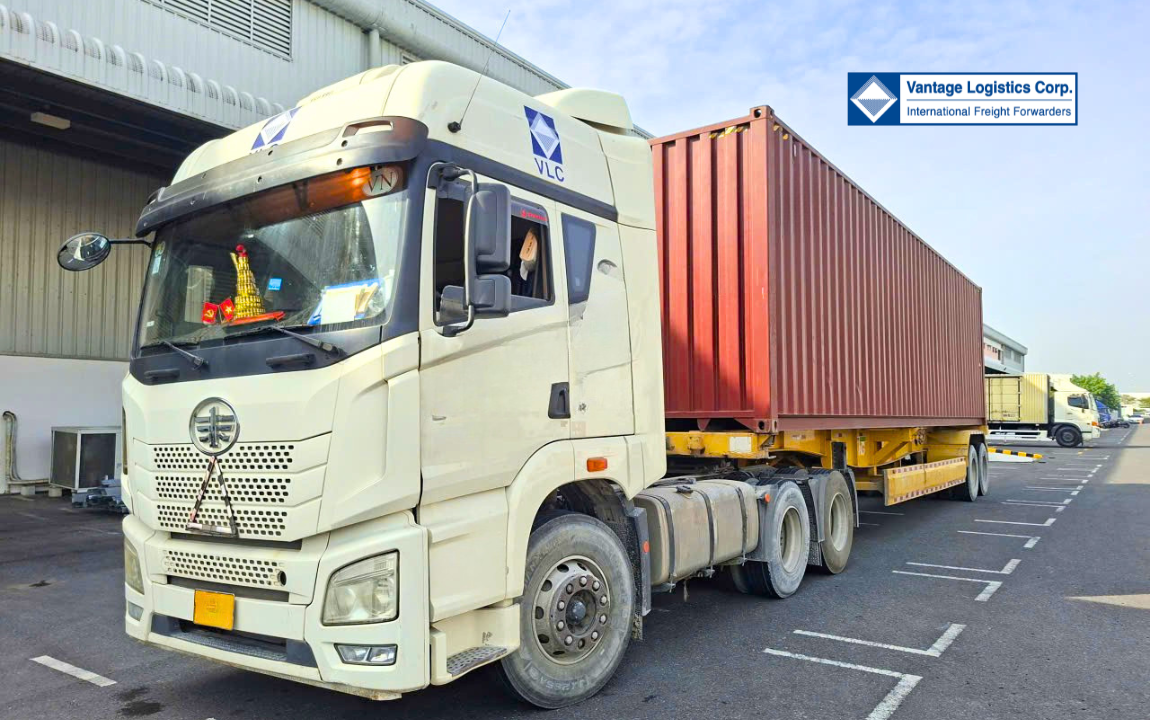
In the trucking industry, the primary challenge has shifted. It is no longer just about securing a vehicle; it is about precise timing and synchronized coordination with shipping schedules. In a market increasingly driven by data and transparency, these factors are the true deciders of a company’s bottom line. The Road Transport Market: High Volume, High Pressure Road transport currently handles approximately 75–77% of Viet Nam’s domestic freight, serving as the critical link between factories, warehouses, seaports, and logistics hubs. While the market size is estimated at $21 billion with steady growth projections, the industry faces persistent structural hurdles: Fragmentation: A market dominated by small-scale operators. Operational Opacity: A lack of transparency in dispatching and coordination. High Inefficiency: Empty backhaul rates remain high, estimated at 60–70%. Cost Burdens: Logistics costs hover around 20% of GDP, significantly higher than in many other nations. These factors make trucking a vital yet volatile link in the supply chain, where costs can easily spiral out of control. Digital Platforms: Improved Connectivity, Unresolved Operations Digital trucking platforms have improved the market by facilitating faster connections between shippers and carriers, increasing transparency in freight rates, and improving vehicle fill rates by an estimated 10–12%. However, for importers and exporters, the core problem goes beyond simply finding a truck. Businesses do not just need competitive rates; they require predictability and the ability to control actual operational costs. The Reality of Hidden Costs In practice, the majority of logistics overruns do not stem from the freight rate itself, but from operational deviations. Missing a vessel’s cut-off time by just a few hours can lead to: Excessive demurrage and detention (DEM/DET) fees. Disrupted shipping schedules. A domino effect across the entire supply chain. These issues are largely the result of a lack of real-time visibility and unsynchronized dispatching. Vantage Logistics: A Comprehensive Operational Solution In today’s environment, road transport is about the ability to manage and oversee the entire journey. Moving beyond the role of a traditional carrier, Vantage Logistics focuses on operational management solutions designed to streamline workflows and mitigate unforeseen expenses. Diverse Transport Capacity Vantage Logistics maintains a stable volume of 3,000 – 5,000 TEUs per month, supporting a wide range of cargo sectors: Containerized Cargo: Efficiently connecting ICDs and seaports for import-export activities. Bulk Cargo (Steel, Coils): Utilizing a specialized fleet tailored to heavy industrial needs. Cold Chain (Seafood, Fruit): Preserving quality through modern refrigerated container systems. Chemicals: Adhering to rigorous safety protocols and technical standards. Optimized Operational Strategy The company utilizes a hybrid model, combining an in-house fleet (50%) with a network of strategic partners (50%). This approach ensures a balance between quality control and the flexibility to scale during peak seasons, preventing vehicle shortages. With an operational network spanning Viet Nam, Laos, and Cambodia, Vantage facilitates seamless regional supply chain integration. The company deploys 150–200 trailers daily, ensuring high-volume capacity and on-time performance. Technology-Driven Visibility (TMS) Vantage Logistics differentiates itself through proactive management powered by a Transportation Management System (TMS): Real-Time Tracking: Clients can monitor container status at every milestone – from empty pickup and loading to port arrival and container return. This transparency allows for proactive adjustments, reducing the risk of DEM/DET fees. Incident Alerts: The system provides immediate notifications regarding route changes or delays, allowing dispatch teams and clients to coordinate solutions instantly rather than waiting for manual updates. Centralized Dispatching: Vehicle schedules are synchronized with carrier cut-off times, particularly on high-traffic corridors such as Cat Lai – Binh Duong – Dong Nai, and Hai Phong – Bac Ninh – Bac Giang. Commitment to Safety and Sustainability Safety is integrated into every shipment. Drivers undergo regular alcohol and substance testing, and every journey follows strict safety procedures suitable for high-value and sensitive cargo. Furthermore, in line with global “green logistics” trends, Vantage Logistics is investing in electric vehicles to reduce CO2 emissions, supporting the sustainability goals of international partners. For Vantage Logistics, trucking is not just about “having a truck on the road.” It is about providing a solution that controls the entire journey, optimizes costs, and ensures supply chain stability. Contact Vantage Logistics for a consultation on optimized logistics solutions. Sources: Vietnam Logistics Review (VLR); World Bank; IMARC Group; Compiled market data for Viet Nam....

22/04/2026

View More
VLC-Banner-Hung Kings-23032026

Vantage News

HUNG KINGS’ COMMEMORATION DAY 2026: HONOURING ORIGINS, SUSTAINING GLOBAL CONNECTIVITY

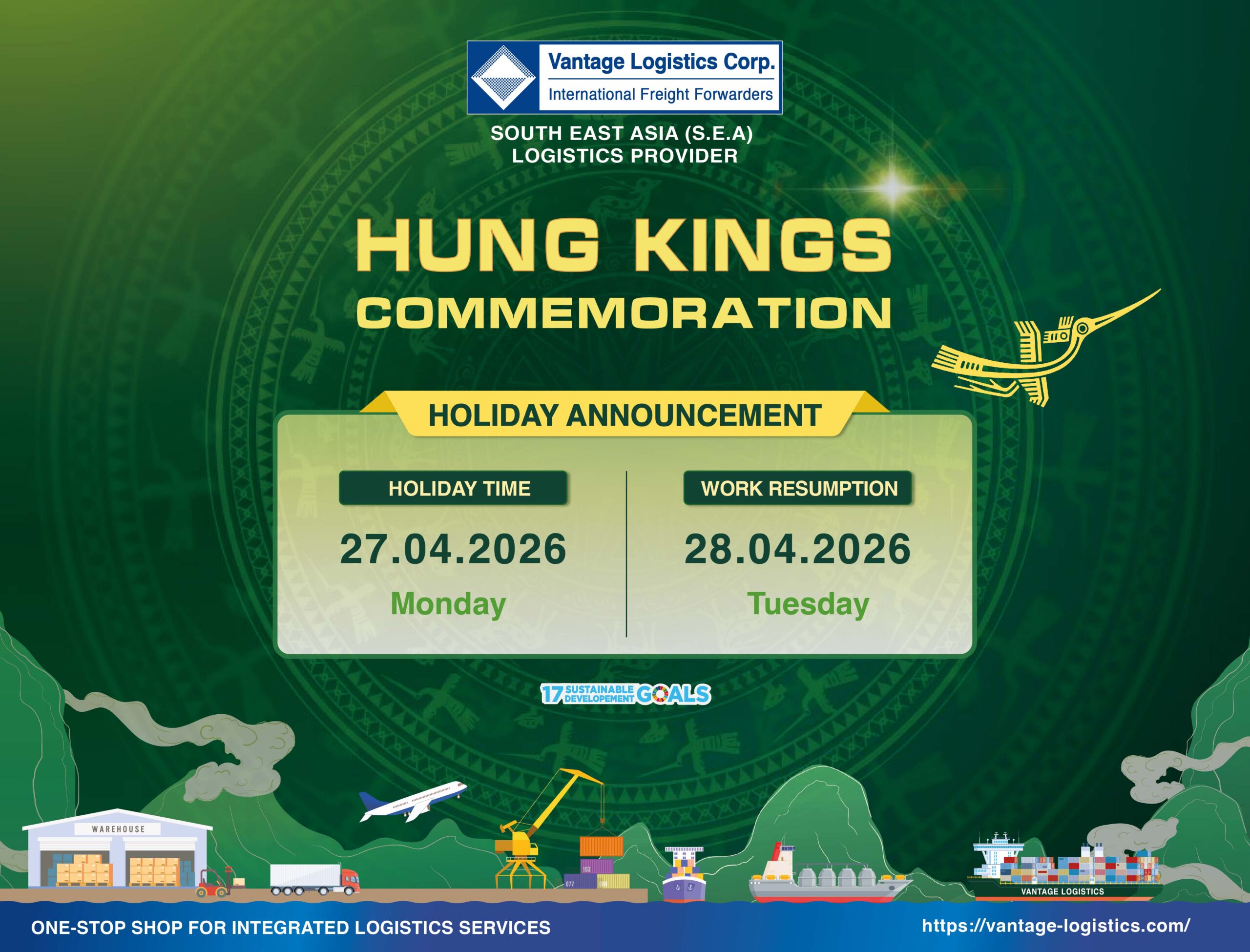
Each year on the 10th day of the third lunar month, people across Viet Nam pause to honour their origins. For Vantage Logistics, Hung Kings’ Commemoration Day is not simply a public holiday. It is a moment to reflect on the country’s foundation–and on the values that continue to shape how Viet Nam connects with global markets today.   A Cultural Legacy Anchored in History Hung Kings’ Commemoration Day pays tribute to the Hung Kings, founders of the ancient state of Van Lang. Over thousands of years, the principle of remembering one’s roots has remained central to Viet Namese identity. Beyond ceremonial observance, the occasion reinforces social cohesion and shared purpose. These qualities have supported Viet Nam through periods of change and continue to influence how institutions and businesses operate today.   From National Origins to Global Trade Networks In today’s environment–where trade flows and logistics networks expand across borders–historical values still matter. Discipline, resilience, and adaptability underpin supply chain stability, particularly amid disruption. For logistics providers, maintaining consistent cargo movement between Viet Nam and international markets is not only a commercial function. It is a direct contribution to economic continuity and integration. Reliable routing, proactive planning, and operational discipline ensure that businesses remain connected, even during holiday periods.     Holiday Schedule Announcement – Hung Kings’ Commemoration Day 2026   Vantage Logistics confirms the following holiday schedule: Holiday period: Monday, 27 April 2026 Operations resume: Tuesday, 28 April 2026 During the holiday: Urgent support requests will continue to be received and handled. Response times may be affected; all enquiries will be addressed as early as possible. Customers are advised to secure bookings and confirm shipping schedules in advance to avoid disruption. For urgent shipments, please contact: Hotline: +84-909-026-261 Email: in**@*****om.vn Standard requests will be prioritised once operations resume on Tuesday, 28 April 2026.   Sustaining Supply Chain Continuity As Viet Nam deepens its integration into global trade, maintaining uninterrupted logistics operations becomes increasingly critical. Early planning, reliable partners, and clear communication reduce risk during peak periods and public holidays. Vantage Logistics continues to support clients with tailored routing, capacity planning, and cross-border coordination–ensuring cargo moves as scheduled. Explore how Vantage Logistics supports stable, predictable supply chains at www.vantagelogistics.com or contact the team directly to plan your next shipment with confidence....

20/04/2026

View More
vlc-news-vantage-move-2026-q1-award

Vantage News

VANTAGE MOVE 2026 – Q1 WRAP-UP: WHEN THE WHOLE TEAM MOVES TOGETHER

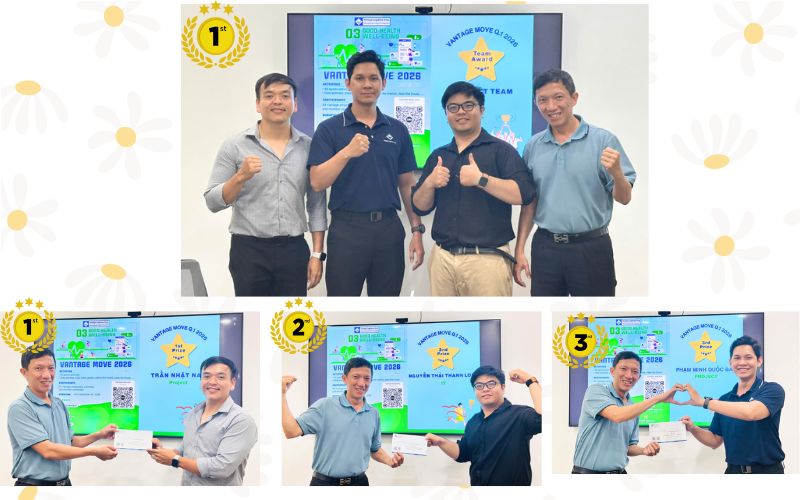
Closing out Q1/2026, Vantage Move 2026 records encouraging signs from the enthusiastic participation of Vantage Logistics employees – a strong start to a health journey set to carry on throughout the entire year.   From the very first weeks of the quarter, the Vantage Move 2026 Zalo Group brought together active members from departments and branches across the country – the founding movers who kicked off this year’s health journey together.   Activities logged ranged from gym sessions and running to cycling and household chores, reflecting the diverse and practical ways Vantage Logistics employees choose to stay active in their daily lives.   Initial data indicates that maintaining physical fitness is gradually becoming a direct factor supporting teamwork and work performance.   Q1/2026 Highlights   Category Recognition Top Individual T.N.N – Project Team 2nd Place Individual N.T.T.L – IT Team 3rd Place Individual P.M.Q.B – Project Team Outstanding Team Project Team Project Team stands out as the undisputed highlight of Q1 – the only team to achieve 100% participation, with every single member taking part in the program. Beyond leading in team engagement, Project Team also claimed two of the top three individual spots, proving that collective commitment translates directly into individual performance. A true embodiment of Vantage Logistics’s “Move Together” spirit.   The Q1 Awards Ceremony was held on April 17, 2026, formally recognizing the dedication of standout individuals and teams. More than a material reward, this is an official acknowledgment from Vantage Logistics Leadership that every step taken, every kilometer logged, and every effort made is seen and valued.   As Q2/2026 begins, the program moves forward with the spirit of consistency and growth. The organizing team encourages every current member to stay committed week by week – and warmly welcomes anyone who is ready to start their journey alongside the Vantage Logistics team.   Not in the group yet? Scan the QR Code on the poster or click the link below to join the Vantage Move 2026 Zalo Group and start logging your activities today. >> Join Now: https://zalo.me/g/oygcwu803   Some memorable moments from the Q1 Awards Ceremony – where the Move Together spirit was powerfully shared.      ...

20/04/2026

View More
vlc-news-blog-what-is-ddp

Blog, Logistics

What is DDP? Who Pays Duty and Tax in International Shipping

What is DDP? DDP (Delivered Duty Paid) is an Incoterm where the seller delivers goods to the buyer’s destination and pays all costs, including transport, import duties, and taxes, while the buyer simply receives the goods. DDP places maximum responsibility on the seller. It is the opposite of EXW and represents the highest level of service – and risk – in international trade.   How DDP Works The seller manages the entire journey, from factory to final destination, including the import process in the buyer’s country. Seller’s responsibilities under DDP: Export packaging and documentation Export customs clearance All transport to named destination Import customs clearance at destination Payment of all import duties, VAT, and taxes Delivery to the named place Bear all risks until goods are delivered   Buyer’s responsibilities under DDP: Unload goods at the named destination (unless otherwise agreed) Receive the goods   Risk transfer point: When goods are placed at the buyer’s disposal at the named destination, ready for unloading.   Key Differences Between EXW, DAP and DDP   EXW DAP DDP Export clearance Buyer Seller Seller Main transport Buyer Seller Seller Import clearance Buyer Buyer Seller Import duties & taxes Buyer Buyer Seller Unloading at destination Buyer Buyer Buyer Seller’s risk level Lowest Moderate Highest Buyer’s risk level Highest Low–Moderate Lowest See also: What is DAP? | What is EXW? | Incoterms 2020: Complete Guide   When DDP Makes Sense DDP works best in specific, limited scenarios – not as a default arrangement for regular commercial trade. DDP is appropriate for: Low-value shipments where import duties are minimal and predictable Replacement parts and spare parts deliveries Free samples and marketing materials Situations where the buyer has no import experience and the seller has an established legal presence in the destination country E-commerce fulfilment where the seller operates cross-border logistics infrastructure   DDP is not appropriate for: Regular high-value commercial imports Shipments where the seller has no legal entity in the destination country Any situation where the seller cannot legally act as importer of record Shipments into markets with complex, unpredictable, or frequently changing duty structures   What DDP Actually Costs the Seller DDP is often quoted as a single all-in price, but several hidden cost drivers affect the final cost: Import duties volatility Tariffs may change after pricing is agreed, increasing seller exposure. VAT exposure In many markets, import VAT must be paid upfront and may not be recoverable for foreign sellers, making it a sunk cost embedded in the price. Importer of Record (IOR) requirement To clear goods, the seller must act as – or appoint – the Importer of Record. In many countries, this requires a locally registered entity, adding cost and compliance complexity.   The Risk Buyers Often Miss DDP reduces operational workload – but does not eliminate legal exposure. Buyer may still be liable Customs authorities may hold the importer accountable for classification, valuation, and compliance – even if duties were paid by the seller.   DDP in Practice: China–Viet Nam Shipments For Vietnamese importers sourcing from China, DDP is widely marketed by Chinese forwarders as a simple, all-inclusive service. It works well for small or infrequent shipments. For regular commercial imports: The seller or their agent must act as importer of record Import VAT (typically 8–10%) is embedded in pricing Classification differences may create duty discrepancies For recurring shipments, DAP (Delivered at Place) or FOB (Free On Board) with a local customs broker often provides better cost control and compliance visibility.   Decision Insight: DDP vs DAP vs FOB If you prioritise convenience and have low shipment value, DDP simplifies operations. If you need cost transparency, compliance control, and scalability: DAP or FOB is usually more effective than DDP for regular commercial imports   FAQ Is DDP the same as door-to-door shipping? Not exactly. Door-to-door is a service description – it tells you about the physical journey. DDP is a trade term – it defines who pays for what and who bears risk. A door-to-door service can be structured under several Incoterms, including DAP or DDP. Can the seller exclude VAT from DDP? Yes. It can be structured as “DDP (VAT unpaid)” if agreed. What is the difference between DDP and DDU? DDU (Delivered Duty Unpaid) was a term under Incoterms 2000, replaced by DAP in Incoterms 2010. Under DDU, the seller delivered to destination but did not pay import duties – which is the same structure as DAP today. DDU is no longer a valid term under current Incoterms rules. Who is the importer of record under DDP? The seller or their appointed agent.   See also: What is FOB? | What is CIF?   Vantage Logistics advises on Incoterm structuring for cross-border shipments across ASEAN, including China – Viet Nam routes where DDP, DAP, and FOB carry different cost and compliance implications. Contact our team for a practical assessment of your shipping terms and total landed cost. — VANTAGE LOGISTICS South East Asia (S.E.A) Logistics Provider One-Stop Shop For Integrated Logistics Services   CONTACT US Head Office: Suite 6.01, Block A, RiverGate Residence, 151-155 Ben Van Don, Khanh Hoi Ward, HCMC, Viet Nam Email: in**@*****om.vn Phone: +84-28 382 67312 – Hotline: +84-909-026-261 Website: https://vantage-logistics.com...

17/04/2026

View More
1 … 17 18 19 20 21 … 43