 LOGIN
LOGIN 
 VN
VN
 Sea Freight
  Air Freight
  Intermodal
  Customs Brokerage
  Project Logistics
  Warehouse Services
  Trucking
  Insurance
  Logistics Infrastructures
  Consulting & Assistance
  NVOCC
NVOCC  Barge & Coastal Feeder
  GSA / PCSA Airlines
  Perishable / Refrigerated Logistics
  Dangerous Good Logistics
  Oil & Gas Logistics
  Offshore Services
  Rice Logistics
  Global Sales Logistics
  Parcel / Courier Logistics
  Cross-Docking & End-To-End Warehousing
  On Board Courier
  Buying Agent
2025 marked a pivotal year for Viet Nam’s logistics sector, as national-level policies, large-scale infrastructure projects and international events were implemented in parallel. These developments not only strengthened operational capacity but also reshaped the role of logistics within supply chains and the broader economic growth agenda.
1. Adoption of the New National Logistics Development Strategy
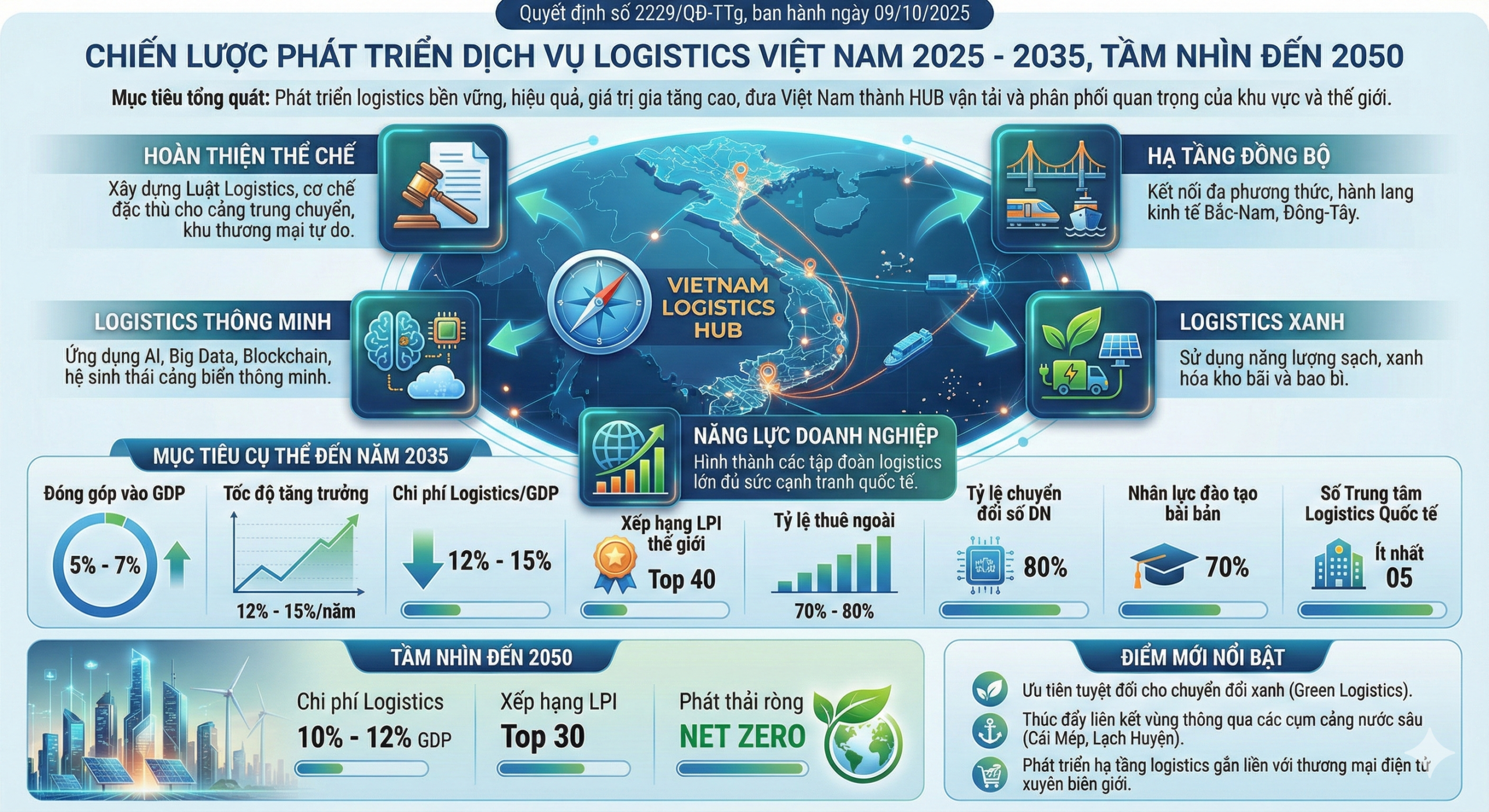
For the first time, logistics was formally recognised as essential economic infrastructure under the National Logistics Development Strategy to 2035, with a vision to 2050. The strategy provides a long-term regulatory framework for logistics hub planning, multimodal connectivity and capacity building for domestic enterprises.
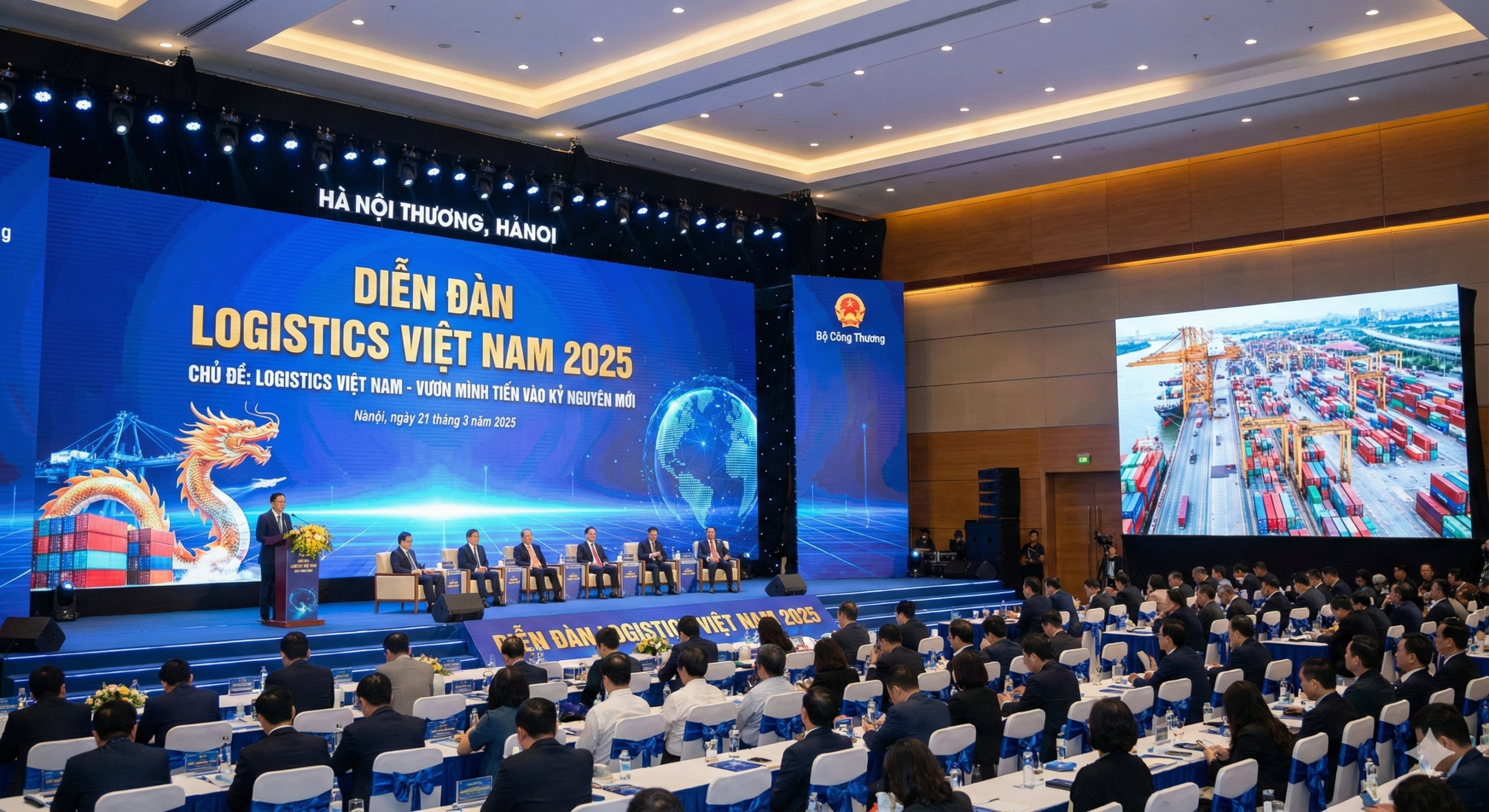
Held in Da Nang, the Viet Nam Logistics Forum 2025 highlighted the role of logistics in regional integration and the East–West Economic Corridor. Discussions centred on infrastructure development, institutional reforms and practical solutions to reduce logistics costs for manufacturing and export-oriented businesses.
Viet Nam continued to expand the North–South expressway system, significantly shortening inter-regional transit times and easing pressure on national highways. This expansion directly impacts logistics costs and enhances the reliability of domestic supply chains.
 A section of the Quang Ngai – Hoai Nhon Expressway (Source: Vietnamnet)
New berths at the Lach Huyen Port complex (Hai Phong) commenced operations, increasing Viet Nam’s total seaport capacity to approximately 900 million tonnes per year. This strengthens the country’s ability to accommodate larger vessels and handle growing import–export volumes.

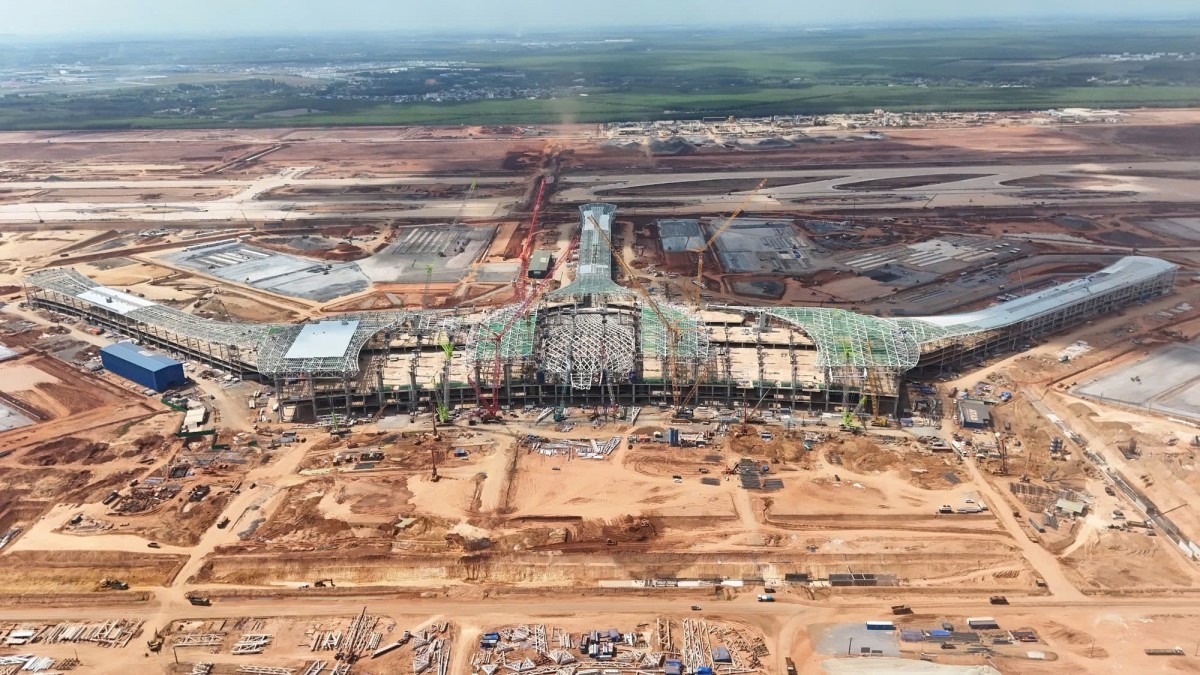
Long Thanh International Airport entered initial operations with substantial cargo handling capacity, positioning it as a future air logistics hub. In parallel, existing airports continue to be upgraded to meet rising international freight demand.
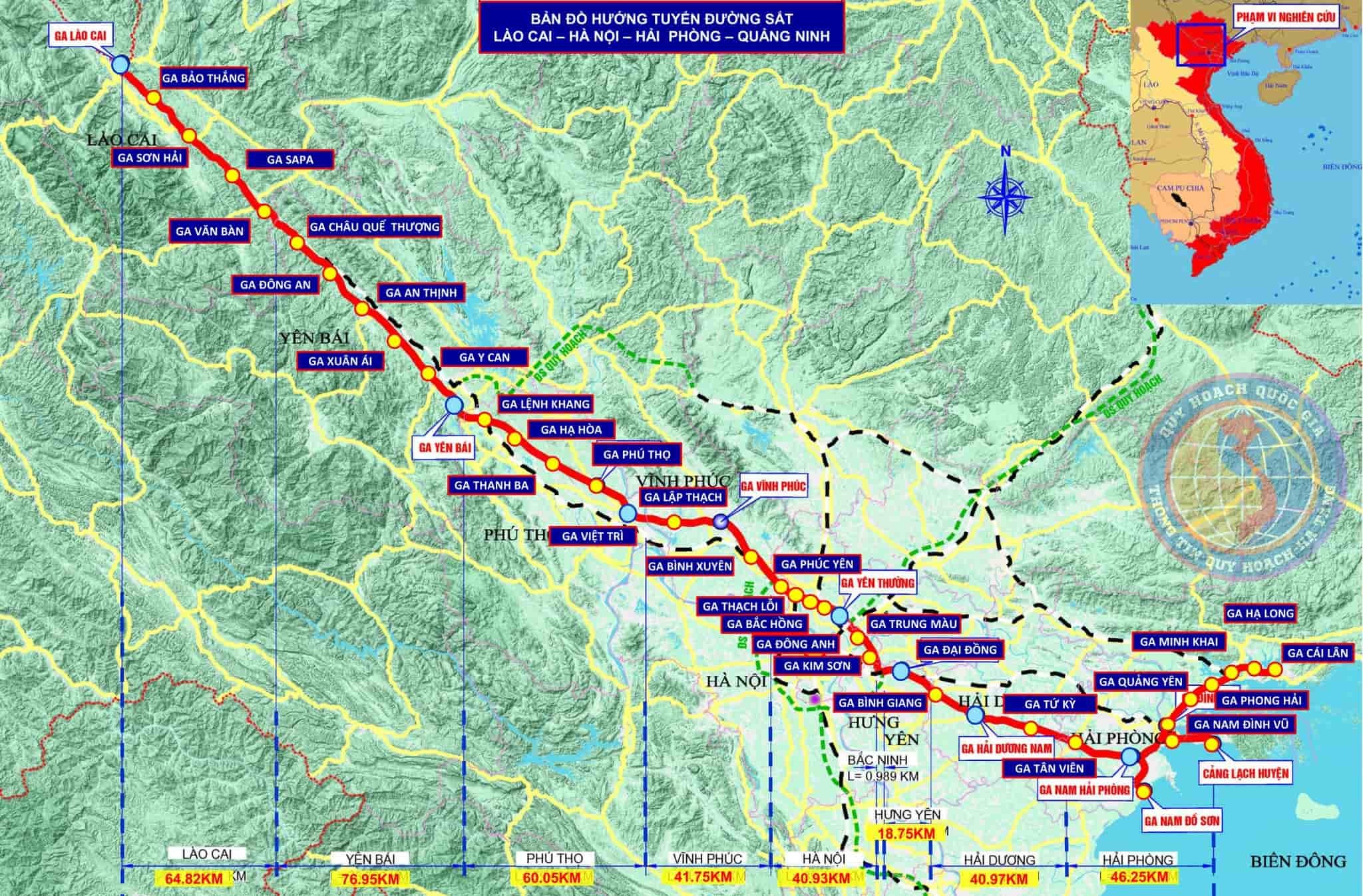
The new railway corridor is designed primarily for freight transport, enhancing connectivity between seaports, border gates and industrial zones, while supporting cross-border logistics with China.
Free trade zones in Da Nang and Hai Phong were approved, integrating logistics, manufacturing and services. This model creates favourable conditions for investment attraction and the development of higher value-added supply chains.

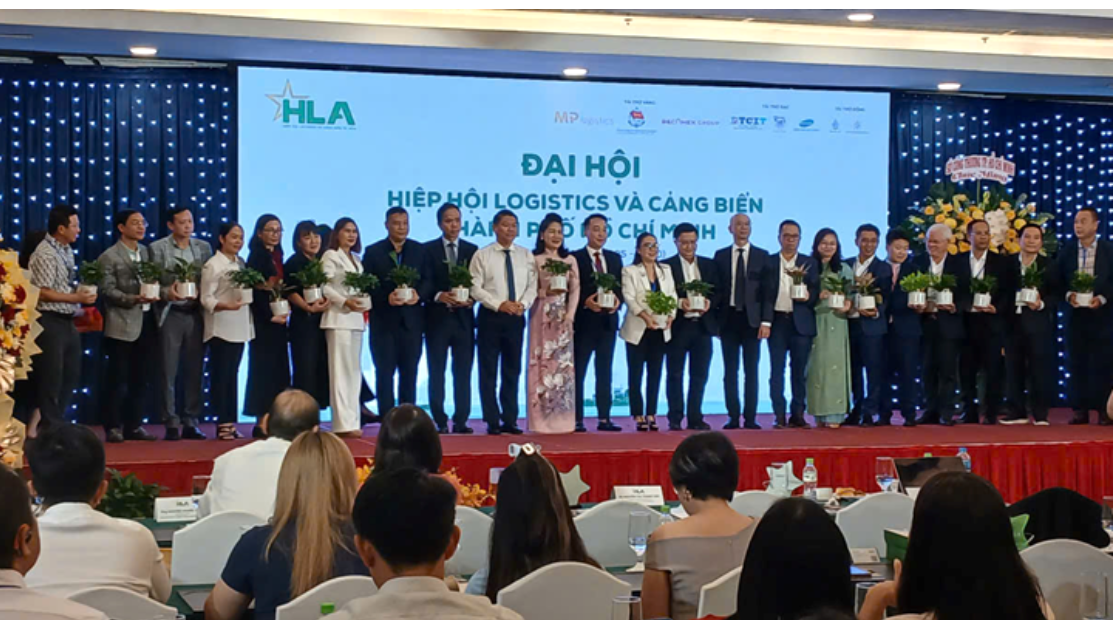
The formation and consolidation of logistics associations across multiple provinces reflect increasing professionalisation within the sector, while strengthening policy dialogue between businesses and regulatory authorities.
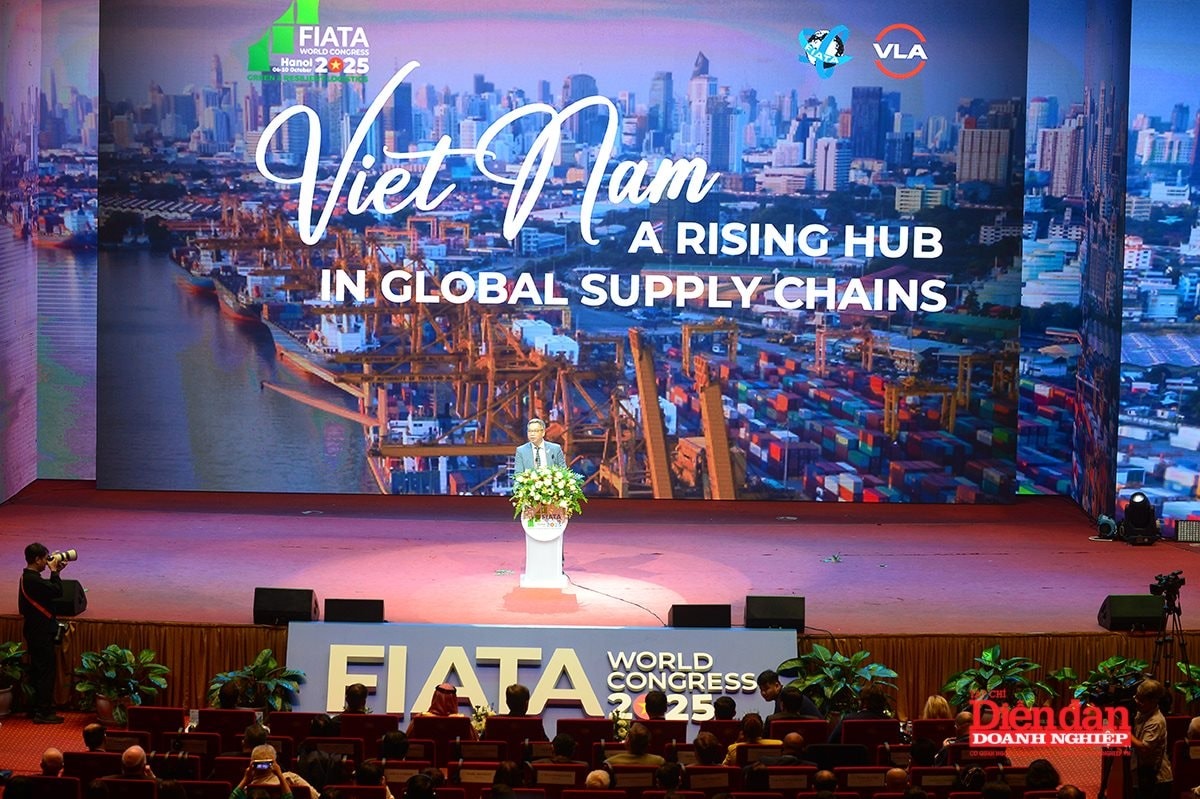
Hosting the FIATA World Congress in Ha Noi placed Viet Nam at the centre of the global logistics network. The event attracted more than 1,000 international delegates and focused on practical themes such as green logistics, supply chain resilience and operational digitalisation.
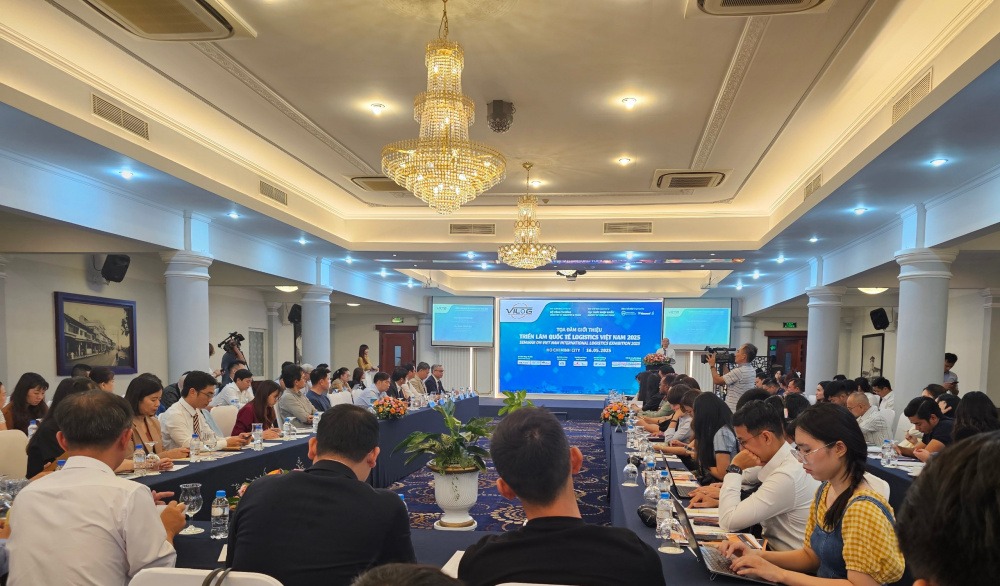
VILOG 2025 welcomed hundreds of domestic and international exhibitors, showcasing solutions in warehousing, automation, cold chain logistics and specialised transport. The exhibition has become a key platform connecting market demand with logistics technology.
Contact Vantage Logistics to build a logistics strategy for 2026 aligned with Viet Nam’s evolving market landscape.



 Vantage News

